Astana, 19 October. Kazakhstan has tightened sanitary and quarantine checks at its borders because of the spread of mpox around the world: the Health Ministry does not rule out the infection being brought into the country but assesses the risk of its wide spread among the population as low (Informburo, BES.media).
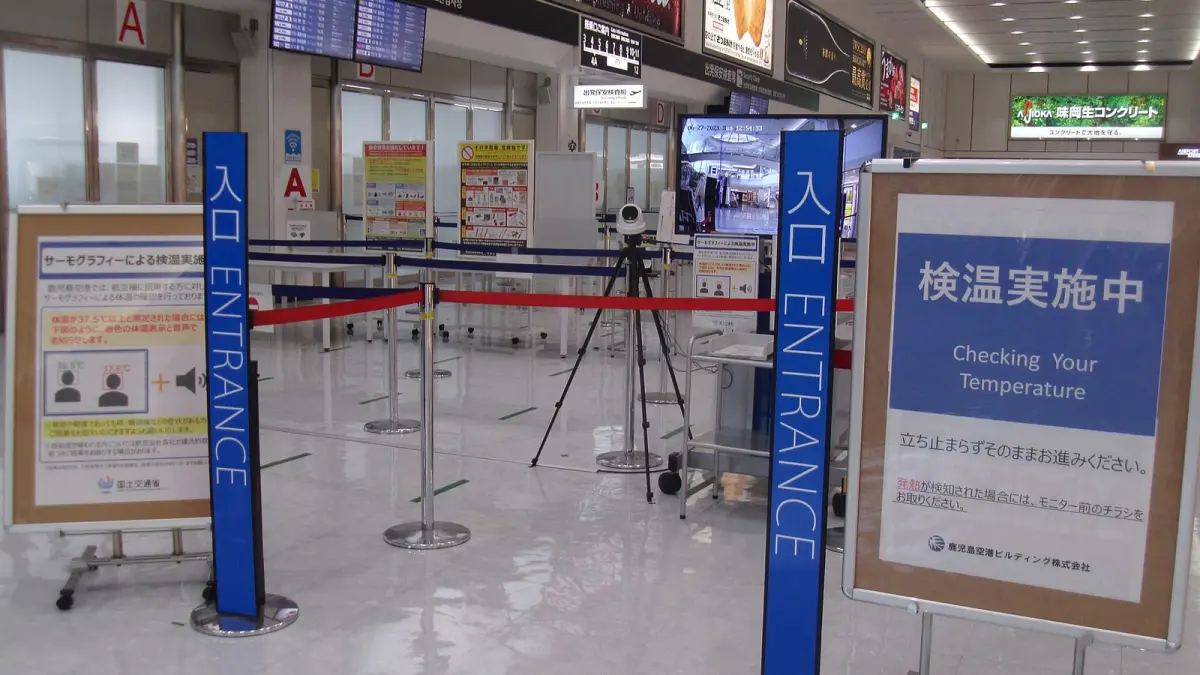
All border checkpoints have been equipped with contactless temperature screening devices. Checks on all modes of transport have found no sick people and no one suspected of having a particularly dangerous infection (BES.media, Informburo).
The measures followed reports of cases in neighbouring Russia: according to media reports, five people have been hospitalised in St Petersburg (Tengrinews). Cases also continue to be recorded in other countries (BES.media).
Mpox is a viral disease caused by the MPXV virus. It is transmitted mainly through close physical contact with an infected person, including contact with skin lesions and body fluids, as well as through contaminated clothing, bedding and other objects and through contact with infected animals. Typical symptoms are fever, headache, muscle aches, swollen lymph nodes and a skin rash (Informburo).
Background: In November 2022 the World Health Organization adopted mpox as the new name of the disease, formerly called monkeypox, after racist and stigmatising language began to accompany the old name; the two names were to be used in parallel for a year (WHO).
List of sources used: Informburo, BES.media, Tengrinews, WHO
Artificial intelligence was used in preparing this material.