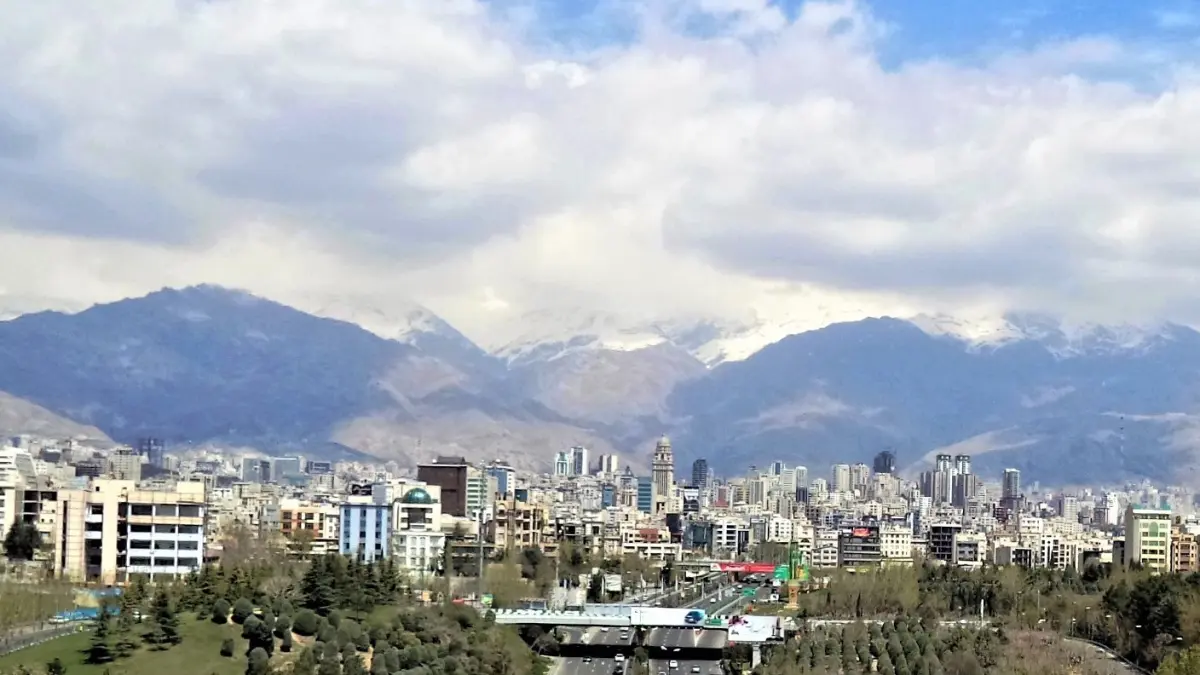
Tehran, 20 October. Mohsen Rezaei, secretary of Iran's Supreme National Security Council, said at a meeting with Pakistan's army chief Asim Munir that enriched uranium would not be taken out of Iran: "Not even a particle of enriched nuclear material will leave Iran, and this material is the great asset and national wealth of Iranians for use inside the country."
Rezaei added that talks with the US are possible only after trust is restored. Munir, for his part, said the border between Iran and Pakistan is open. Rezaei's words were also carried by the Tehran Times: all Iranian citizens and officials, he said, are unanimous on the issue.
Shipping enriched uranium abroad is one of the conditions discussed in nuclear talks: if the stockpile were removed, it would be harder for Iran to obtain material for a weapon quickly. Refusing to ship it out turns that condition into a bargaining point.
On the same day the Iranian army's navy reported that a "violating" tanker that had switched off its tracking systems despite warnings caught fire in a prohibited zone in the southern corridor of the Strait of Hormuz.
What it means: Iran is rejecting in advance one of the main conditions of a possible nuclear deal — shipping enriched uranium out of the country — and makes talks with the US conditional on restoring trust.
Who benefits: For Washington and its allies this means the uranium issue will have to be solved by some means other than removal; for the world oil market what matters more is that tension persists in the Strait of Hormuz, through which a large share of the world's oil passes.
Background: A day earlier the IRGC said it had shot down a US MQ-9 drone over Hormuz.
List of sources used: IRNA, IRNA, Tehran Times, Tehran Times, IRNA
Artificial intelligence was used in preparing this material.