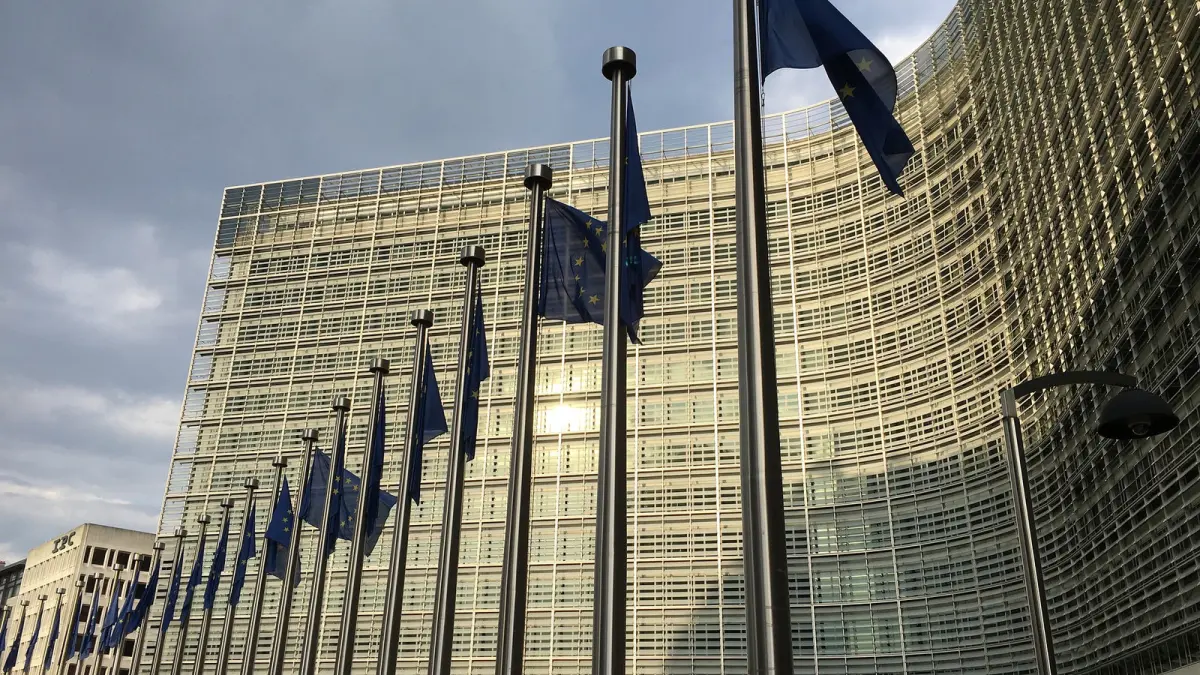
Brussels, 21 October. The ninth meeting of the Kazakhstan–EU Cooperation Committee in trade configuration took place in Brussels: the sides discussed removing barriers and restrictions in mutual trade, sanitary and phytosanitary requirements, technical regulation and the climate part of their partnership agreement, the Ministry of Trade and Integration of Kazakhstan said.
The meeting was co-chaired by Vice Minister of Trade and Integration Zh. Kushukova for Kazakhstan and, for the European side, the head of the European Commission unit responsible for the EU's southern neighbours, the Middle East, Turkey, Russia, Belarus and Central Asia. The sides reviewed how the decisions of the previous, eighth meeting had been implemented and discussed the current state and prospects of trade and investment relations.
Separate discussion was devoted to how the trade part of the Enhanced Partnership and Cooperation Agreement, Kazakhstan's framework treaty with the European Union, is being implemented, including its Trade and Sustainable Development section. Progress was reported on Kazakhstan's nationally determined contribution (NDC), its commitments to cut greenhouse gas emissions under the Paris Agreement, and on the operation of the emissions trading system (ETS), as well as expectations from the Partnership for Market Implementation project. The agenda also covered trade projects that the European Union finances in Kazakhstan and Central Asia.
Trade, meanwhile, is growing. In the first eight months of 2026 turnover reached $31.6 billion against $29.2 billion a year earlier, an increase of 8.2%; exports rose by 12.2% to $25.3 billion, which leaves about $6.3 billion for imports from the EU. Kazakhstan sells Europe mainly oil and oil products, uranium, coal and natural gas, and among agricultural goods flax and rapeseed, wheat, animal and vegetable fats and fish.
What it means: The European Union remains Kazakhstan's leading trade partner, and trade with it is growing. At the latest meeting the sides talked not about volumes but about what gets in the way of trade: barriers, standards, sanitary requirements and climate commitments.
Who benefits: According to the ministry, the EU holds a leading position in Kazakhstan's foreign trade, and exports are based on raw materials, so removing barriers concerns above all exporters of oil, uranium, coal and gas, as well as farmers who sell flax, rapeseed and wheat to Europe. The ministry did not name any specific agreements reached at the meeting: it only reports that the meeting was held in a "friendly and fruitful" atmosphere.
Background: In the first eight months of 2025 trade between Kazakhstan and the European Union amounted to $29.2 billion.
List of sources used: Ministry of Trade and Integration of Kazakhstan
Artificial intelligence was used in preparing this material.