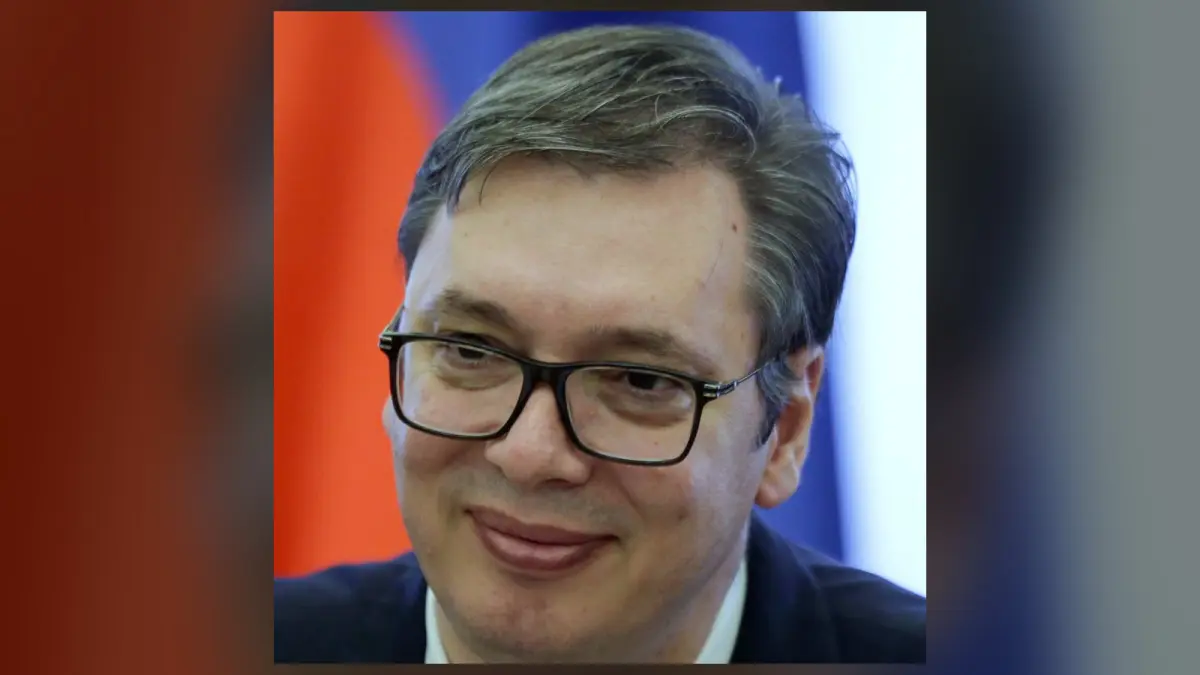
Belgrade, 26 October. Former Serbian President Aleksandar Vučić, who headed the list of the ruling Serbian Progressive Party, conceded defeat in the snap parliamentary election: according to a sample count, the Student List will have between 135 and 140 of the 250 seats and his party about 105.
"We still do not have final results, but on the basis of a sample it is clear that we have lost these elections, the Student List has won, no one else has entered parliament," Vučić said. A projection by the CeSID and Ipsos pollsters gave the students 138 seats and the Progressives 104. According to Vučić, about 2.2 million voters backed the Student List and about 1.72 million his party.
Turnout by 19:00 was 67.6%, the highest since the break-up of Yugoslavia in 1992. The list of 250 candidates, most of them little known to the public, includes university teachers, actors and farmers and is led by the cardiologist Ilija Srdanović. It is not yet clear who would become prime minister if a government is formed. A majority in the 250-seat National Assembly requires 126 seats, and according to the sample the students have one without allies. In addition, Vučić's resignation as president in September means Serbia must also hold an early presidential election, which by law must take place within three months. Overnight into 26 October the students' supporters celebrated on the streets of Belgrade and other cities.
Vučić called the outcome a "confirmation of the revolution" backed by a number of EU countries and said the winners would introduce sanctions against Russia by the spring.
What it means: A protest movement that grew out of student demonstrations has turned into a political force in two years and, according to the sample, is winning a majority in parliament. Vučić, who ruled Serbia for 14 years, loses the chance to become prime minister.
Who benefits: The student movement and its voters gain the power to form a government. The Serbian Progressive Party, part of every ruling coalition since 2012, loses. The foreign-policy consequences, sanctions and the EU course, are so far known only from Vučić's account.
Background: The protests began after a canopy collapsed at Novi Sad railway station in November 2024, killing 16 people; students demanded accountability and action against corruption. Vučić stepped down as president in September and called early elections in order to run for prime minister.
We have also reported that Serbia and Bulgaria were electing a parliament and a president on 25 October.