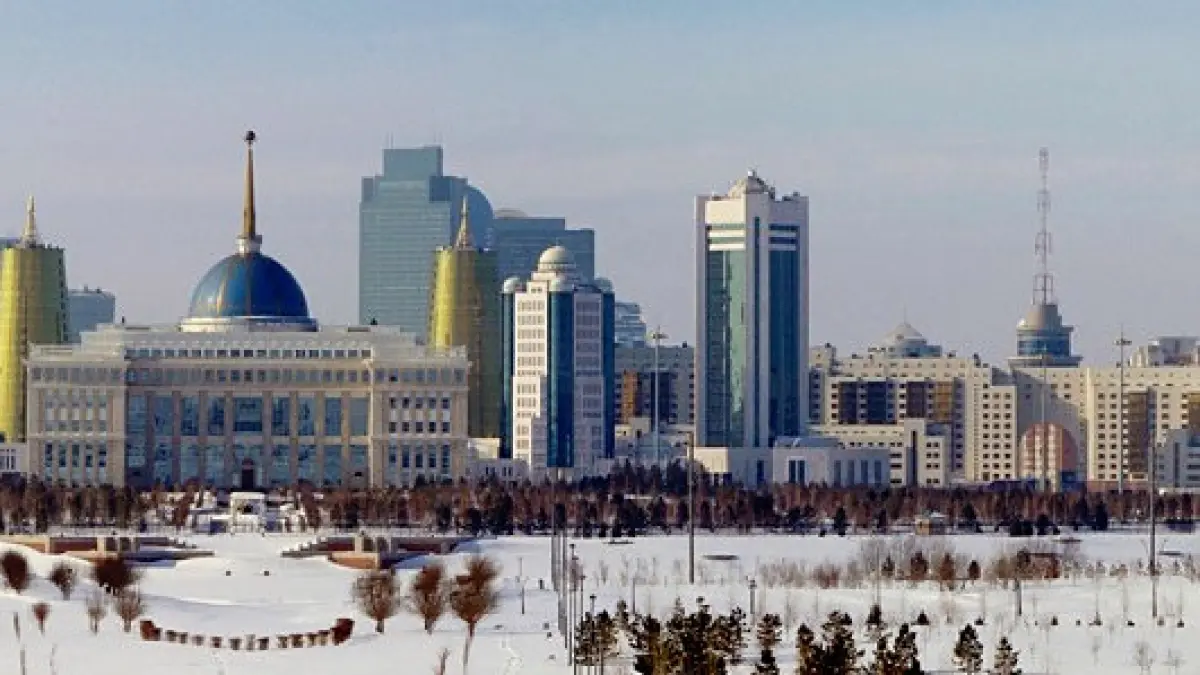
Astana, 28 October. The Kurultai adopted in two readings a law ratifying the Protocol amending the Treaty on the Eurasian Economic Union of 29 May 2014; the protocol contains about 30 amendments covering the union's internal market, technical regulation, trade in services and investment, competition, public procurement, the common electricity market and transport control, the Kurultai press office said.
The most practical amendment is mutual recognition of bank guarantees in public procurement: companies from EAEU countries will find it easier to take part in each other's tenders, Atameken Business explained. The Eurasian Economic Commission's powers to identify and remove barriers on the internal market, mechanisms for uniform application of technical regulations and the rules of the common electricity market are also clarified. The co-report on the bill was presented by Almat Abdikeshov, a member of the committee on economic policy, industry and energy.
At the same session deputies questioned Trade and Integration Minister Arman Shakkaliyev about information exchange on customs duties under the EAEU Treaty, international transport in union countries and how changes in public procurement will affect domestic producers.
The ratification comes amid the dispute over Armenia: on 20 October Russia, Belarus, Kazakhstan and Kyrgyzstan presented a report on the consequences of suspending its participation in the union, and Yerevan replied that there were no grounds for expulsion.
What it means: Kazakhstan has completed its part of the procedure for updating EAEU rules: the protocol closes gaps in the treaty and opens neighbours' procurement to union companies. The amendments take effect once all member states have ratified them.
Who benefits: Kazakh suppliers wishing to bid in public procurement in Russia, Belarus, Armenia and Kyrgyzstan, whose bank guarantees will be recognised. Domestic producers, conversely, face competition from union suppliers on their own market, which is what deputies asked about.
Background: The EAEU Treaty was signed in Astana on 29 May 2014 and has been in force since 2015; in 2026 the Supreme Eurasian Economic Council is chaired by the President of Kazakhstan, Kassym-Jomart Tokayev.
We have also reported that Armenia answered its EAEU partners' report, saying there were no grounds for expulsion.


