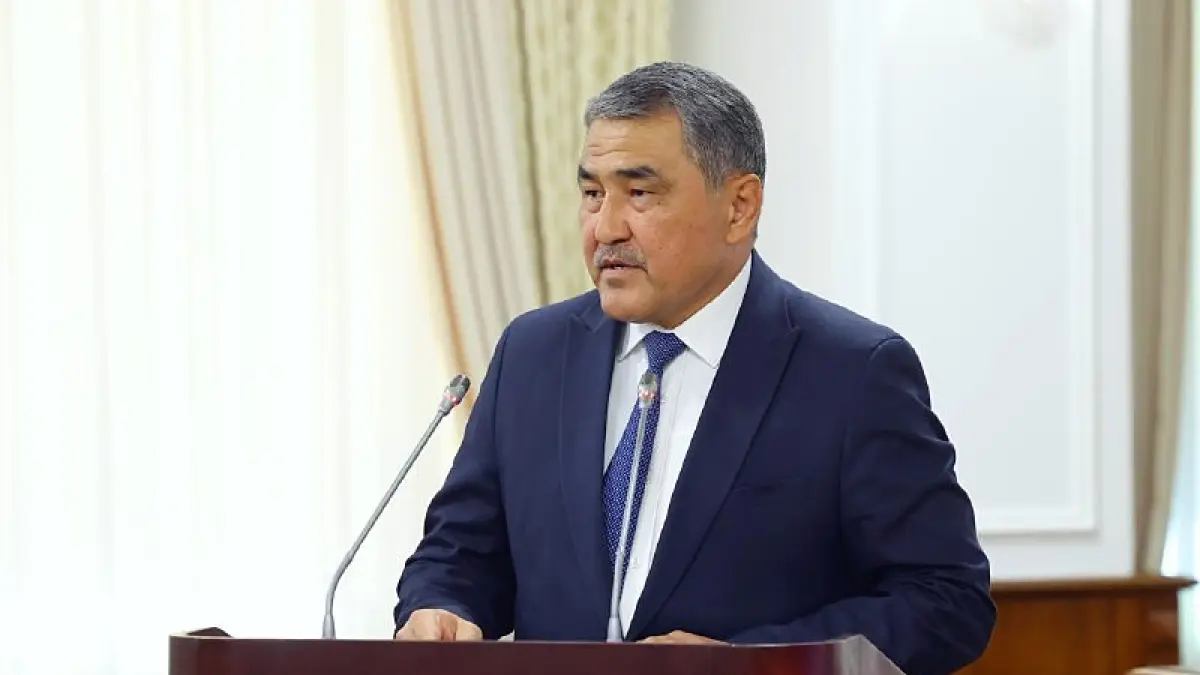
Astana, 29 October. The Ministry of Water Resources and Irrigation has drafted amendments to the Water Code that would restrict the use of centralised drinking water in the technical processes of car wash stations, Minister Nurzhan Nurzhigitov told a government meeting.
According to him, state control over water use has been tightened since the new Water Code was adopted: 758 violations have been found since the start of the year, more than twice as many as last year. Agriculture takes about 60% of the water withdrawn, and water-saving technologies are already used there on 702,000 hectares, saving about 1.1 billion cubic metres. Industry is to switch gradually to recycled water supply and raise the share of reused water to 28% by 2030, and in the utilities sector the ministry sees potential savings of up to 260 million cubic metres a year.
Car washes are a notable part of that figure. The minister has said before that of the roughly 1.3 cubic kilometres of drinking water the country consumes, about 200 million cubic metres goes on washing cars.
In other words, about 15% of the country's drinking water has been going on washing road dirt off cars.
What it means: The requirement to switch to recycled water written into the Water Code will become a direct restriction: car washes will have to install treatment units or look for technical water.
Who benefits: Cities short of drinking water – volumes will be freed up for residents. Makers and installers of water treatment and recycling systems. Car wash owners face equipment costs that, as the industry fears, may affect the price of a wash.
Background: The new Water Code made water saving a priority and introduced the concept of technical water for the first time. In his address on 28 October the President ordered tighter control over water consumption.


