Astana, 24 November. Kazakhstan will completely abandon third-generation (3G) mobile networks by the end of 2027, and investment in telecommunications will exceed 1.3 trillion tenge over three years, Deputy Prime Minister and Minister of Artificial Intelligence and Digital Development Zhaslan Madiyev told a government meeting.
The meeting, chaired by Prime Minister Olzhas Bektenov, was devoted to communications as the basis of the digital economy. According to Madiyev, investment in the sector rose from 357 billion tenge in 2024 to 482 billion tenge in 2025, and at least 500 billion tenge is expected in 2026. Over two years the average mobile internet speed has risen from 73.6 to 93.4 Mbit/s, and the ministry expects internet traffic this year to be more than double the 2024 level.
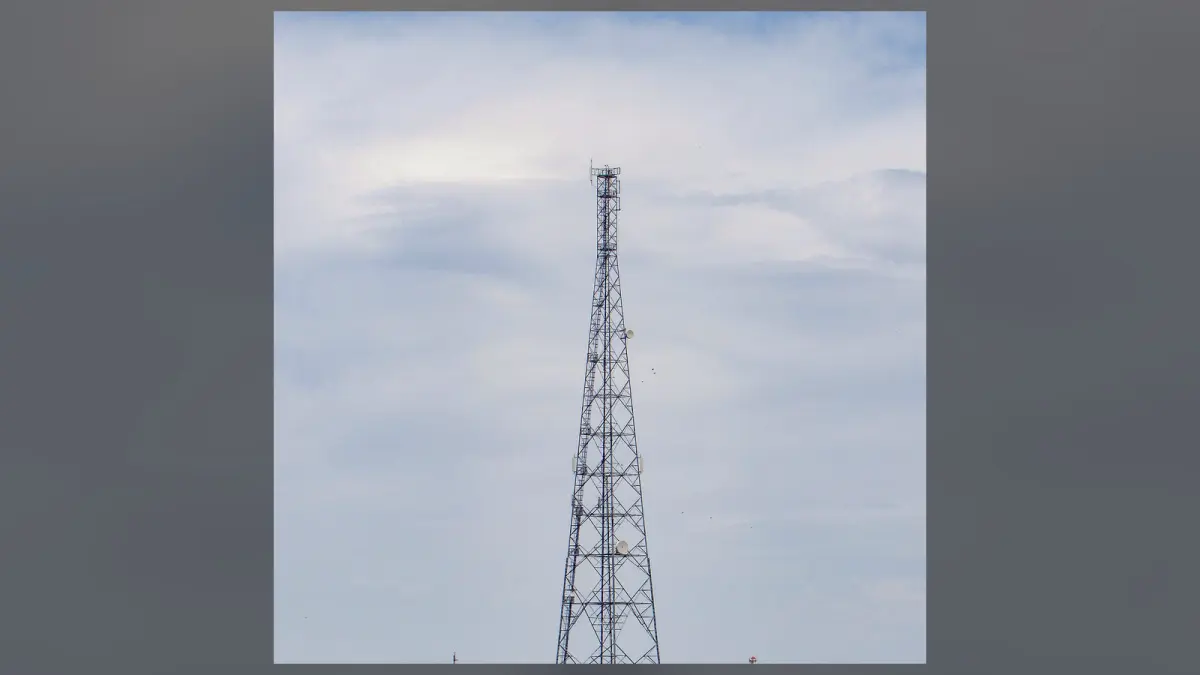
Switching off 3G means converting third-generation base stations to fourth-generation (4G) ones, while fifth-generation (5G) coverage is being extended in towns and villages. By the end of 2027 the 4G network is to reach 5,291 villages and 5G 70 towns and 300 villages. Mobile internet is now available in 84% of villages, and by that date it is promised in 92%. Mobile coverage is also to be provided along 40,000 km of national and regional roads, which will require more than 500 antenna masts.
Under the national project Accessible Internet, fibre will reach 3,704 villages, or 61% of the country's villages, by the end of the year. In 2027 up to 1,863 more villages will get fibre, bringing coverage to 92%. The remaining 8% of villages will be connected to satellite internet.
Madiyev also spoke about prices. In November, he said, Kazakhstan ranked seventh for cheap mobile internet among 55 countries with fast connections: the average tariff of about $10 a month is almost three times below the world average of $27. "We need to keep a balance — tariffs affordable for the population and the industry attractive for investment," the deputy prime minister said.
To villages where fibre already reaches the outskirts, the prime minister pointed out that the last hundred metres to the house still remain. Bektenov noted that many villages have trunk lines but no connections to individual homes. The national project, he said, must result in consumers actually being connected, not just in lines being brought to settlements. The ministry, together with operators and local authorities, has been told to approve a site-by-site schedule for connecting village subscribers in 2027 by the end of the year. Within a month it must also update the map of "white spots", areas without stable coverage, with deadlines for eliminating them.
What it means: The government is shifting the measure of rural connectivity from kilometres of cable laid to the number of homes connected. Replacing 3G with 4G and 5G is meant to bring mobile internet to nine villages out of ten by the end of 2027.
Who benefits: Rural residents promised fibre to the door or 4G, and travellers on the roads, stand to gain. Operators will have to invest in upgrades: the ministry openly says tariffs must stay affordable and the industry attractive to investors, a balance that has yet to be found.
Background: The government links its digital infrastructure goals to the President's Address "Current Tasks of Kazakhstan in a New Historical Cycle". The Accessible Internet project is run by the Ministry of Artificial Intelligence and Digital Development together with telecom operators.



