Astana, 24 November. In 2027 Shanghai Spacecom Satellite Technology and Amazon LEO will enter Kazakhstan's satellite internet market, making it the first country in Central Asia where all four satellite operators place their ground stations, Deputy Prime Minister Zhaslan Madiyev told a government meeting.
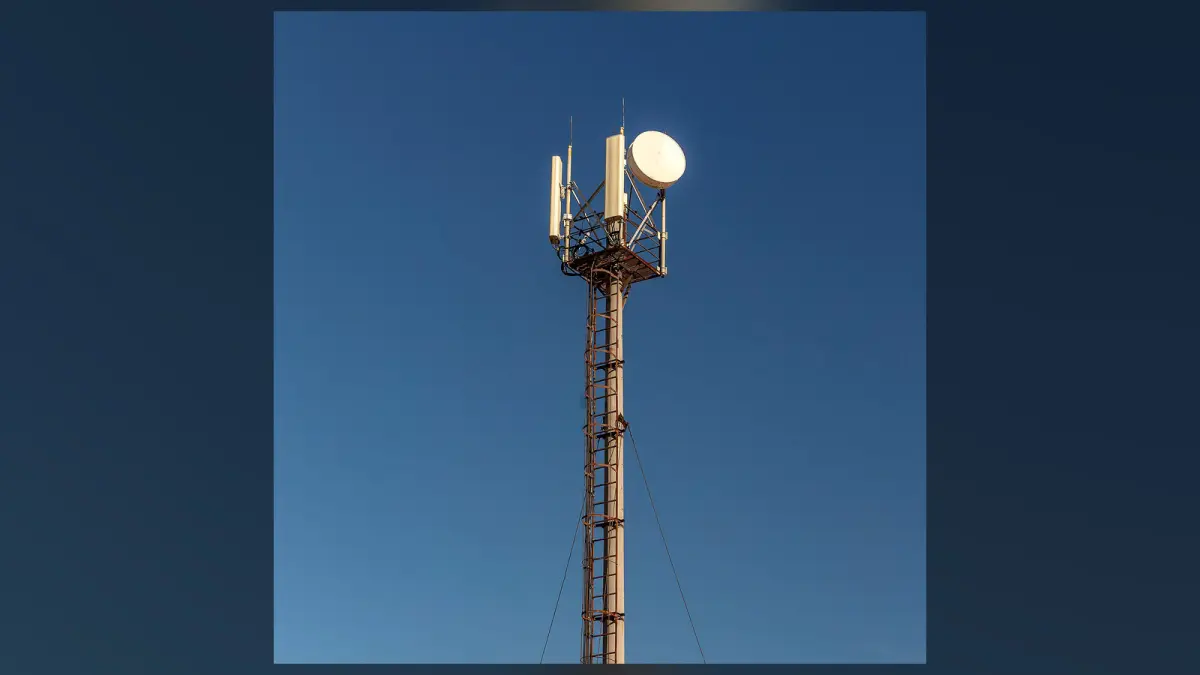
OneWeb and Starlink are currently licensed to operate in the country. Satellite internet is being developed for remote villages where fibre is hard to lay. According to Madiyev, the four operators will place ground stations "meeting national security requirements". Such a station receives the signal from satellites and links it to the terrestrial network inside the country.
Together with Beeline and Starlink Mobile, Kazakhstan has launched Direct-to-Cell technology, which lets users send messages and get basic internet access via satellite directly on a smartphone, without a separate antenna. Android support is already available, while iOS support is in development. Jabbor Kayumov, head of the Beeline operator (KaR-Tel), said that the Direct-to-Cell area covers territory with about 3 million inhabitants and that more than 130,000 subscribers use the service.
Bagdat Musin, chairman of the management board of Kazakhtelecom, said that in 2027 the company and Amazon LEO will launch satellite internet for more than 120,000 households. Stations are already being built in Akkol and Alatau, and a third will be built in Atyrau. Under an investment agreement for 2025–2027, Kazakhtelecom is laying networks even in unprofitable areas: 1,183 villages out of 3,008 and 1,683 state institutions have been connected, including 797 schools and 303 medical organisations, and the plan is 39% complete.
Satellite links are also reaching transport. Air Astana has fitted one aircraft with satellite internet via OneWeb and plans to equip 20 more in 2027, while Wi-Fi via Starlink already works in 1,500 passenger carriages of Kazakhstan Temir Zholy, Madiyev said. This year internet was connected at ten popular tourist sites, with 50 more planned next year, and all border crossings already have it.
The deputy prime minister also spoke about data transit. The Trans-Caspian fibre-optic line, which according to Kazakhtelecom started operating in October and runs 380 km along the bed of the Caspian, needs a backup channel, which is still to be built. Meanwhile the West–East trunk line from Khorgos to Aktau is under construction: 87% of the route has been laid, and work is due to be completed in 2027. Prime Minister Olzhas Bektenov instructed officials to present a plan for the commercial development of international communication channels with measurable transit targets by the end of the first quarter of 2027.
What it means: Kazakhstan is betting on competition among satellite operators where fibre will not reach, and requires their stations to be located inside the country. For villages this is a fallback route to the internet; for the state it is a way to avoid depending on a single supplier.
Who benefits: Residents of remote villages, air and rail passengers, and Kazakhtelecom, which becomes a partner of Amazon LEO. The terms on which foreign operators work and what the service will cost were not disclosed at the meeting.
Background: Air Astana's first flight with satellite Wi-Fi on board took place at the end of October 2026. Amazon LEO is Amazon's network of low Earth orbit satellites, formerly known as Project Kuiper; Shanghai Spacecom Satellite Technology is developing a Chinese low-orbit constellation.
We have also reported that Air Astana operated its first flight with satellite Wi-Fi on board.



