Astana, 22 October. Kazakhstan intends to attract about €18 billion ($20 billion) for renewable energy and power grids through QaJET, a just energy transition platform backed by the EBRD; it will be officially launched in November at the COP31 climate conference in Antalya, Euronews reports.
The transition is called "just" because it is meant not only to replace coal with renewable energy but also to soften the impact on workers and regions that live off the coal industry. According to LowCarbonPower, fossil fuels still generate about 85% of Kazakhstan's electricity. About half of the platform's money, roughly €9 billion, is to go to 10 GW of new renewable capacity by 2035, about €4.4 billion to connecting these facilities to the grid, and the remaining quarter to electrifying transport, industry and small and medium-sized businesses, modernising grids and smart energy systems. Greenhouse gas emissions are to fall by more than 20 million tonnes a year, about 7% of the energy sector's emissions.
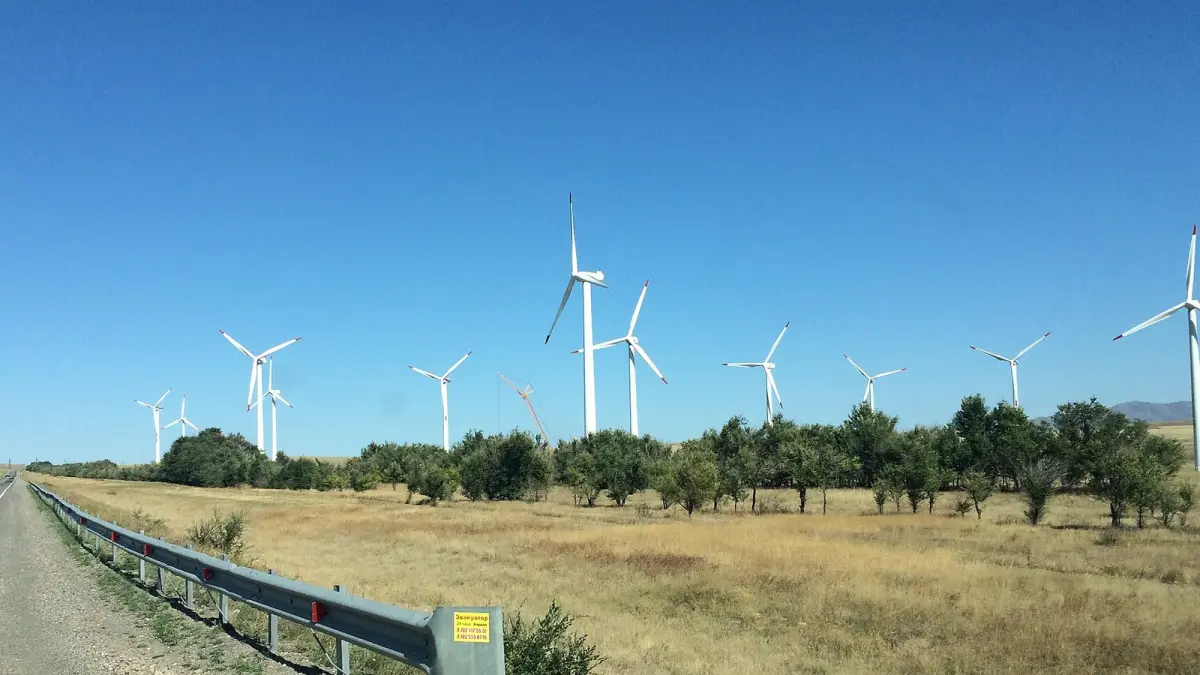
The QaJET portfolio already includes projects worth more than €1 billion, among them a large wind farm in Zhambyl region, the 1 GW Mirny wind park, and a grid modernisation project. Kazakhstan is counting on money from the European Union, the UK, the Green Climate Fund, the Global Environment Facility and the Climate Investment Funds. The programme provides for retraining coal workers and supporting the regions most dependent on coal power.
What it means: Kazakhstan is getting a single platform that will pool public and private money for phasing out coal under one programme, with a clear split: half for new power plants, half for grids and electrification.
Who benefits: Coal regions, if the worker support programme is funded, investors in renewable energy and grid companies; the EBRD and international funds get a ready-made project portfolio. So far more than €1 billion of the €18 billion has been gathered; the rest still has to be raised.
Background: The platform is to help Kazakhstan reach carbon neutrality by 2060 and meet its commitment to cut net greenhouse gas emissions by 25% from 1990 levels by 2030, subject to international support. On the same day, at the KGIR-2026 roundtable in Shymkent, the Ministry of Energy signed an agreement on a 1,000 MW wind farm in Kostanay region worth $730 million.
List of sources used: Euronews, Kursiv, Government of Kazakhstan
Artificial intelligence was used in preparing this material.