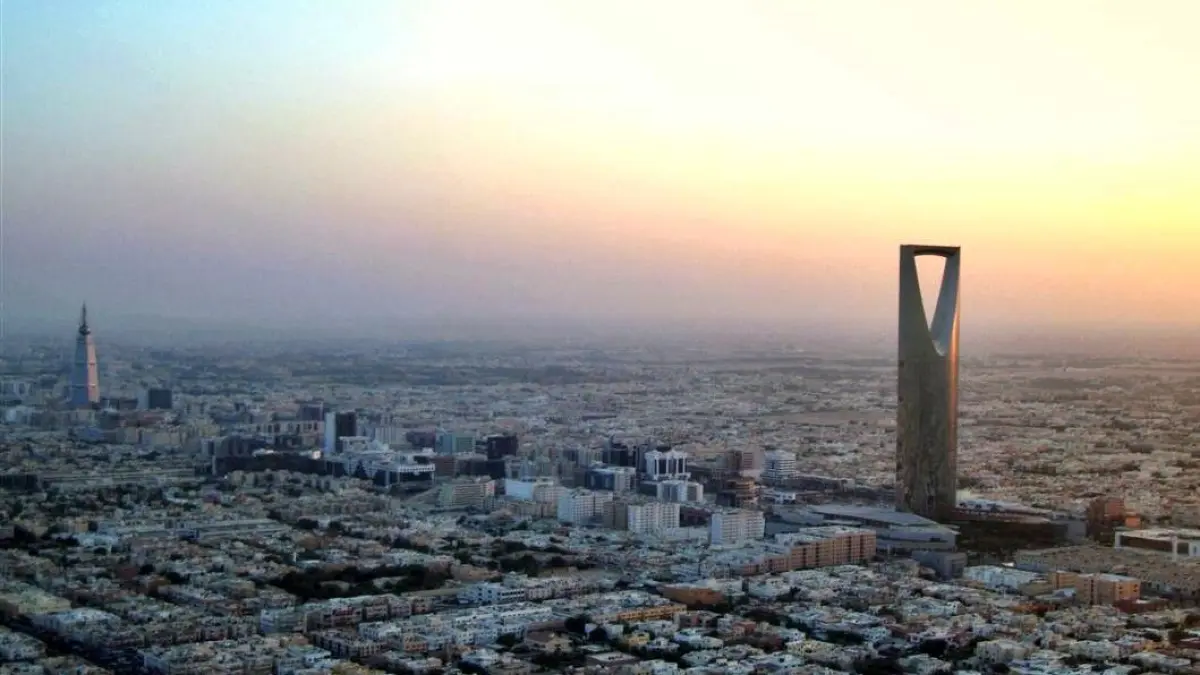
Riyadh, 22 October. Yahya Saree, military spokesman for Yemen's Ansar Allah (Houthi) movement, said the Houthis had carried out a "precise strike" on the Saudi Defence Ministry building in Riyadh and also attacked Aramco facilities in Yanbu and the airports of Dammam and Abha.
The Saudi side has not confirmed a hit. Meanwhile Saudi Aramco, according to Reuters, moved all staff at its Dhahran headquarters to remote work.
According to Saree, the Houthis conducted four operations with ballistic missiles and drones in 48 hours. He called the strikes a response to more than 2,900 Saudi air and missile strikes over 100 days, which he said had killed and wounded more than 562 people. Other parties do not confirm these figures. On Wednesday evening one person was killed and eight injured in an attack on Dammam airport; a drone strike on the Shaybah field killed two people, but Aramco said the field's operations were not affected.
Aramco has raised the capacity of its East–West oil pipeline, which runs to the Red Sea bypassing the Strait of Hormuz, to 7 million barrels a day, chief executive Amin Nasser said; it was originally 1.8–2 million barrels. The US State Department ordered non-emergency government employees and their families to leave Saudi Arabia. In the strait itself, the Islamic Revolutionary Guard Corps said it had struck four vessels during oil transfers in the northern Persian Gulf, while three more hit mines west of the strait.
Oil is rising on the news: on the morning of 22 October the December Brent futures contract gained 2.7% to $111.79 a barrel and then exceeded $112 for the first time since mid-May. For Kazakhstan, the Brent price is a benchmark for its export grades CPC Blend and KEBCO.
What it means: The Houthis' war with Saudi Arabia has reached claims of strikes on the Defence Ministry in the capital and the move of the world's largest oil company's headquarters to remote work; at the same time vessels have been hit in the Strait of Hormuz, and the market is pricing this into oil.
Who benefits: The sources do not name beneficiaries. A higher Brent affects the prices of grades priced off it, including Kazakhstan's CPC Blend and KEBCO; shipping in the Gulf and Saudi infrastructure are under threat. The Houthis call their strikes a response to the Saudi-led coalition's actions; Riyadh has not confirmed their claims.
Background: The escalation began in mid-July, when pro-government Yemeni forces attacked Sanaa airport as a plane carrying a Houthi delegation from Iran was landing; the Houthis blamed Saudi Arabia and declared war on it. In early October government forces backed by the coalition launched a counteroffensive.
List of sources used: Lenta.ru, RTVI, InfoTEK, Neft i Kapital, IRNA, Gazeta.Press
Artificial intelligence was used in preparing this material.