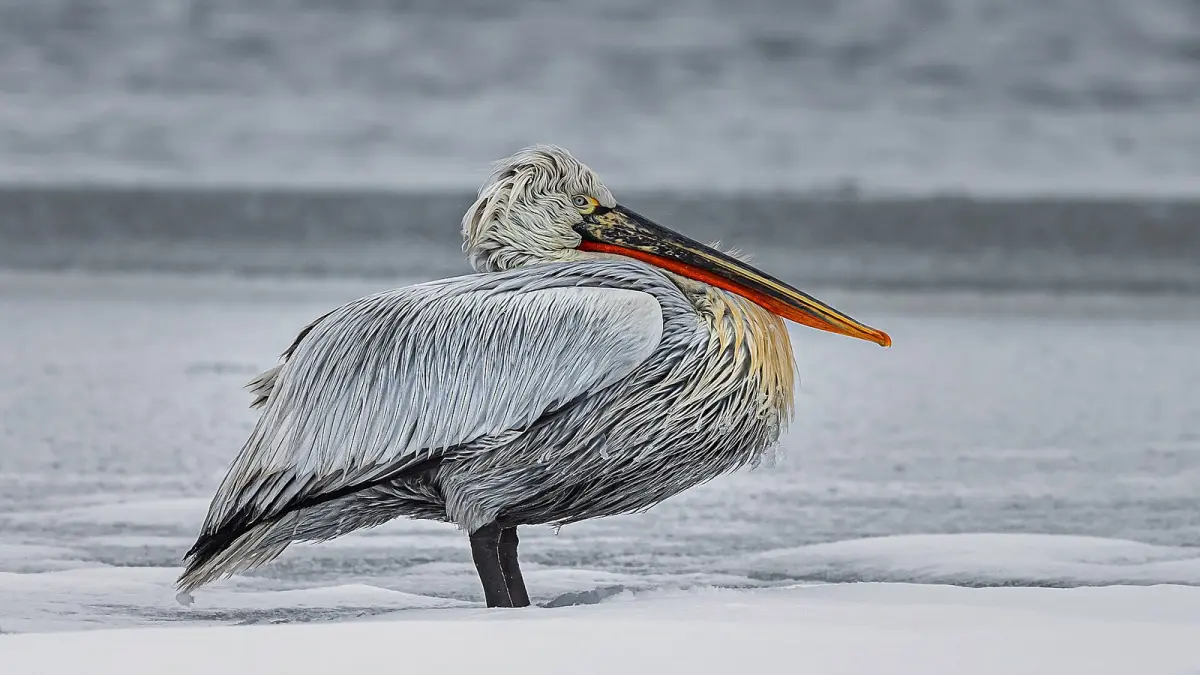
Aralsk, 26 October. Specialists from the Barsakelmes nature reserve have completed the autumn bird count on the Aral Sea and recorded 250 species and more than 18,000 birds, 33 of the species listed in Kazakhstan's Red Book, said Arman Zhylkaidarov, head of the reserve's science department.
A total of 102 species nest in the Aral region, and another 147 are migrants that stop here to feed and rest on the way to wintering grounds in western and south-western Asia and Africa. Rare birds include the whooper swan, common crane, flamingo, great white and Dalmatian pelicans, white-headed duck, great bustard, Pallas's gull, peregrine falcon, eagle owl and white-tailed eagle. "Over the past four years the numbers of most of them have increased. For example, there are more whooper swans. But there are also those that have declined: the flamingo, the great bustard and Pallas's sandgrouse," Zhylkaidarov said.
Bird numbers depend on water in the Syr Darya: when the river level falls, so does the number of birds. "Building the Kokaral dam in its time made it possible to save the Small Sea, reduce water salinity and restore fish stocks. This is what led to the growth in fish-eating species: pelicans, herons, Pallas's gulls and swans," explained the reserve's chief engineer Alma Yessenova. According to her, any fluctuation in the river's flow caused by irrigation withdrawals upstream exposes the shallows, and the reed beds where birds nest become accessible to land predators.
What it means: After the dam was built, the northern, Kazakh part of the Aral has again become home to birds, but its wellbeing depends on water that is taken for fields upstream.
Who benefits: The Aral region's ecosystem and the fishermen of the Small Aral, for whom more fish-eating birds is a sign that fish stocks are recovering.
Background: The Kokaral dam separated the Small (Northern) Aral from the Large Aral; according to February 2026 figures, the volume of water in the Small Aral rose to 23 billion cubic metres. The Barsakelmes reserve, founded in 1939 on a former island in the Aral Sea, is part of the UNESCO World Heritage site Cold Winter Deserts of Turan.