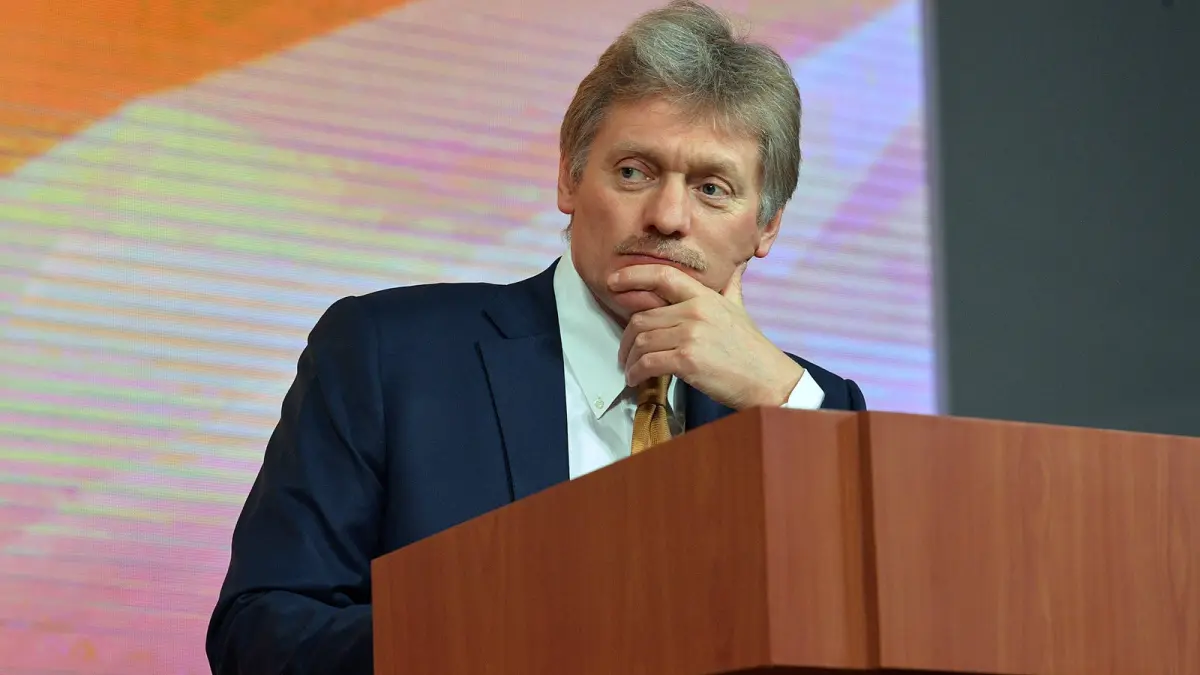
Moscow, 26 October. The resumption of trilateral talks between Russia, the US and Ukraine does not mean any restrictions on hostilities, Kremlin spokesman Dmitry Peskov said in response to a question about the drone attack on Voronezh.
"The decision to resume trilateral talks does not imply any restrictions on hostilities. You know that our armed forces are continuing the special military operation and continuing to deliver massive and consistent strikes on Ukraine's military-industrial complex and on military and quasi-military targets. The Kyiv regime also continues all its corresponding manifestations," Peskov said.
According to the Russian side, the talks could take place in Abu Dhabi around the middle of November: Vladimir Putin told US special envoy Steve Witkoff that Moscow was ready to resume them. Ukrainian President Volodymyr Zelensky said on 23 October that Kyiv was ready for a meeting at team level in the first half of November or on any day. The only agreement on a lull so far concerns Oleshky in the Kherson region: a ceasefire for evacuating residents takes effect from 04:00 Moscow time on 27 October, and Ukraine's General Staff said it would also observe it.
Meanwhile, the death toll from the overnight attack on Voronezh rose to three, and the number of injured to 39, regional governor Alexander Gusev said. Lokomotiv Moscow footballers were on the Anapa–Moscow train hit by drone debris; they were not hurt.
What it means: The sides are preparing to return to the negotiating table, but without a ceasefire: Moscow says openly that strikes will continue, while Kyiv keeps attacking Russian regions.
Who benefits: Each side keeps military pressure as a bargaining chip. Oleshky residents get a chance to evacuate during the lull.
Background: Peskov spoke on the same day Voronezh was hit by a massive drone attack: according to the governor, 113 drones were shot down over the region.
We have also reported that a drone attack on Voronezh hit the Anapa–Moscow train.