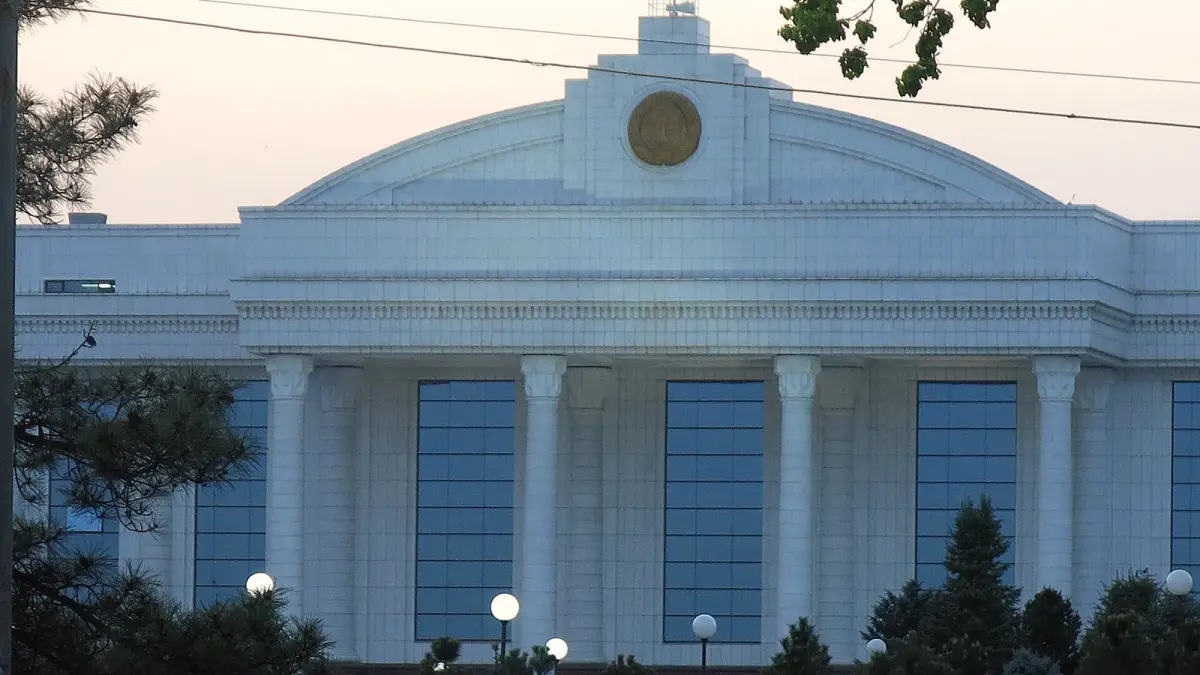
Tashkent, 28 November. The Senate of Uzbekistan’s Oliy Majlis approved the law “On Mobilisation Preparation and Mobilisation” at its 21st plenary session on 27 November, Gazeta.uz reported.
According to Deputy Defence Minister Khamdam Karshiev, a separate law on mobilisation is being adopted for the first time in the history of independent Uzbekistan.
The law sets out when mobilisation is declared. General or partial mobilisation is possible if Uzbekistan is attacked or if international treaty obligations have to be fulfilled. General mobilisation covers the whole country, partial mobilisation covers individual territories or systems. Mobilisation is declared by presidential decree, which is published immediately and submitted within three days for approval by the chambers of parliament, and the chambers must consider it within 72 hours.
The document was presented by Kutbiddin Burkhanov, chairman of the Senate committee on defence and security. “Preparation for the defence of the country must begin not after a threat arises, but in peacetime,” he said. In his words, the need for fuel, food, medicines, transport and communications rises sharply under threat, so the law covers not only conscription but also the economy, transport, communications and health care.
The law creates a state mobilisation reserve and stocks of essential products, requires state bodies and organisations to draw up mobilisation plans, and obliges enterprises with mobilisation tasks to prepare for them in peacetime; their heads are personally responsible. A separate section covers the use of citizens’ and organisations’ property for the needs of the armed forces, with compensation for costs.
That is what raised senators’ questions. Anvar Tuychiev asked how damage would be assessed and compensated if citizens’ lorries, machinery or buildings were taken during mobilisation, and how lost income would be made up. Karshiev replied that compensation is currently governed by Cabinet of Ministers resolution No. 161 of 18 June 2015 and promised to amend it. The existing resolution does not compensate lost profits.
Mobilised citizens keep their jobs. For the period of service they are exempt from taxes and other mandatory payments and receive deferrals on loan repayments; deferral from call-up is possible on family or health grounds and on other grounds set out in the law.
What it means: Uzbekistan has for the first time brought the rules on mobilisation together in a single law: who declares it, how quickly parliament approves it and what the state may take from citizens and businesses.
Who benefits: The Defence Ministry and the government, which gain a single legal framework. Mobilised citizens, whose jobs the law protects and who receive tax and loan relief. Owners of machinery and buildings are still waiting for the promised compensation rules.
Background: The task of drafting such a law was set by the Development Strategy of New Uzbekistan for 2022–2026. Uzbekistan’s parliament, the Oliy Majlis, has two chambers: a law approved by the Senate takes effect after the president signs it. Mobilisation has never been declared in independent Uzbekistan, Karshiev said.



