Tashkent, 19 October. During a visit by an American delegation, Uzbekistan and the United States signed a package of 54 agreements on trade, investment and technological cooperation; their implementation involves $12 billion, Uzbekistan's Ministry of Investment, Industry and Trade said.
The agreements cover industry, transport and energy infrastructure, critical minerals, the financial sector, digital technologies, agriculture, healthcare and education. Cooperation with GE Aerospace provides for engines for new Uzbekistan Airways aircraft, and with Wabtec for localising the production of railway equipment and components. Agreements with Franklin Templeton, Oppenheimer & Co., Citigroup and BlackRock concern Uzbek companies' access to international capital markets and infrastructure financing; with Amazon Leo, satellite communications; with GE HealthCare, medical technologies; and with Valmont Industries, agricultural efficiency. According to the ministry, representatives of more than 400 companies took part in the business programme: over 100 American, 100 from other Central Asian countries and 200 Uzbek firms.
In mining, the partners are ReElement Technologies, Traxys and Trafigura, covering deposit development, mineral supplies and processing technologies. Uzbekistan is developing the production of tungsten, molybdenum, rhenium, lithium, germanium and graphite; the state-owned Uzbekistan Technological Metals Complex is building high value-added processing. In June 2026 it agreed with Traxys on supplies of molybdenum and rhenium with possible pre-export financing of up to $150 million, and in February the United States and Uzbekistan signed a framework agreement on cooperation in critical minerals, from exploration to processing.
Minerals are called critical when industry and defence cannot do without them and supplies are concentrated in a few countries. Judging by TMK's deals, Uzbekistan is betting not on selling ore but on processed products with high added value.
Even before the signing, US Secretary of State Marco Rubio described the benefits as mutual, for both the countries of the region and the United States.
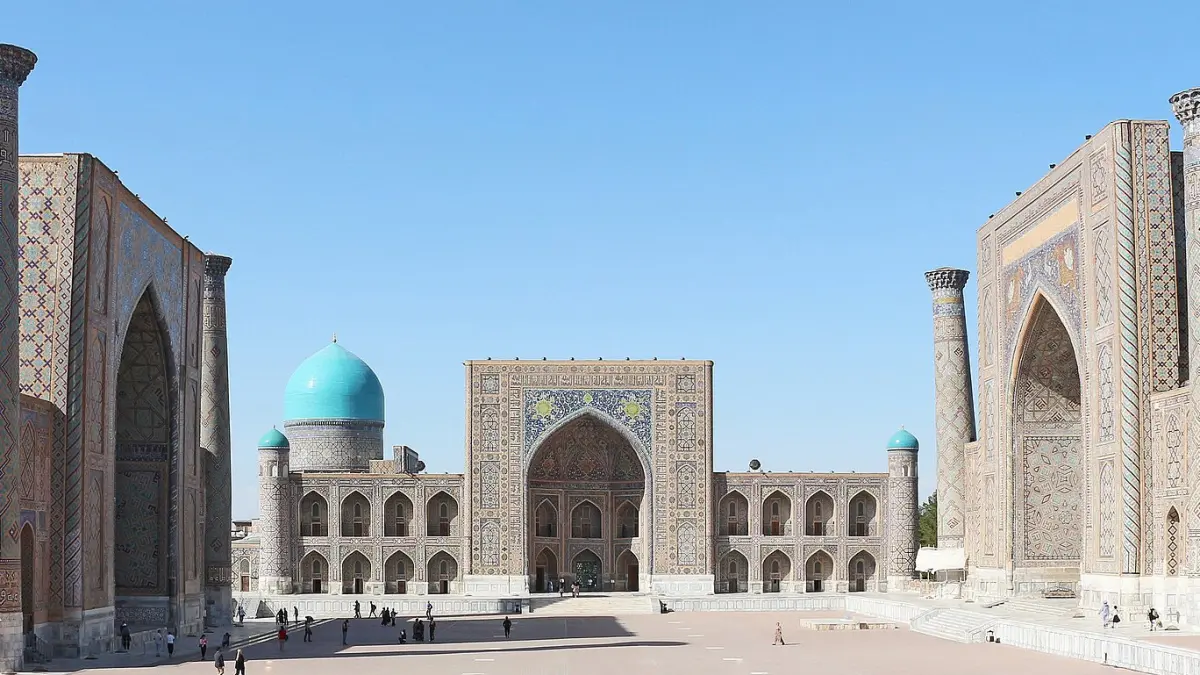
Background: The agreements were signed during Rubio's visit to Samarkand, where the foreign ministers of Central Asia and the United States met in the C5+1 format on 19 October; Deutsche Welle also reported the $12 billion deals.
List of sources used: Gazeta.uz, Metals ESG Trends, Asia-Plus, Deutsche Welle
Artificial intelligence was used in preparing this material.