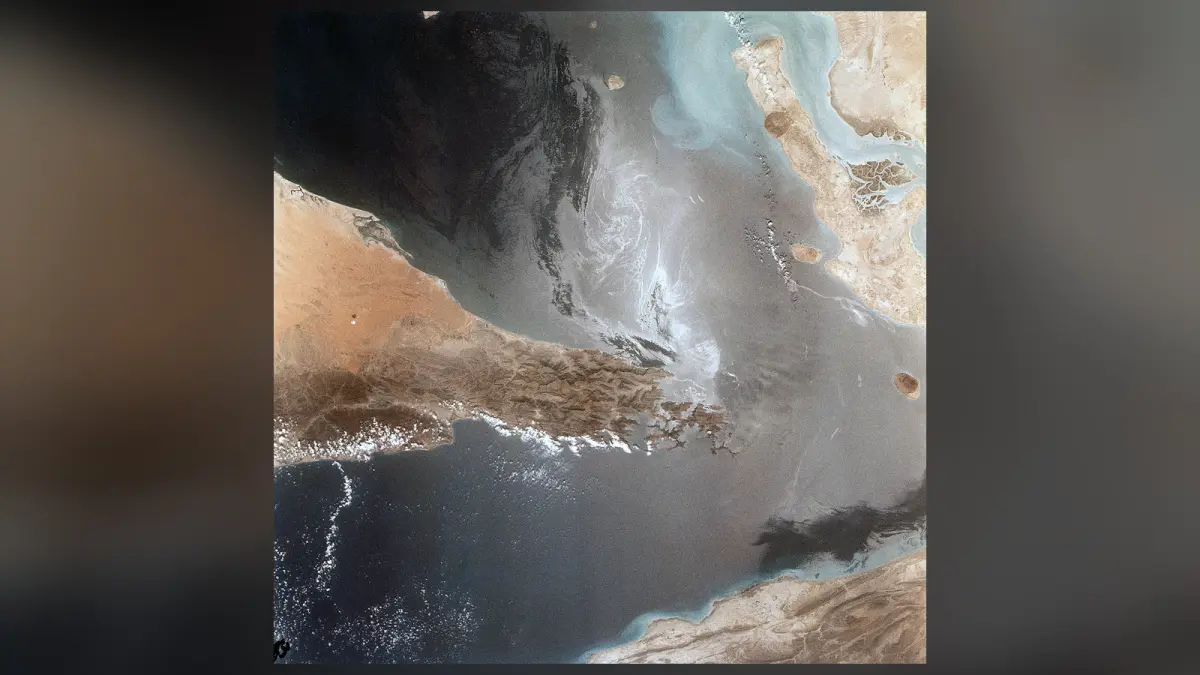
Tehran, 25 October. Iranian Foreign Minister Abbas Araghchi said that shipping routes through the Strait of Hormuz and the way it is managed will not return to what they were before the war with the US and Israel, the IRNA news agency reported.
"The current war has changed everything. We must accept that new realities have emerged. Shipping routes through the Strait of Hormuz will no longer be the same as before, and the strait will no longer be managed as it was in the past," Araghchi said at an event at Iran's Foreign Ministry. He said these issues had been discussed in negotiations and "those talks will continue". The minister added that Tehran would welcome regional initiatives on new security arrangements for the strait.
Araghchi said the region's security should be ensured by the region's countries themselves "without foreign forces", and that US bases, in his words, had not given their hosts the security they expected and had only added to instability. A resumption of war, he said, would not change Iran's positions: "They have already done so twice and have seen the results." Any agreement to end the war, Araghchi said, must cover all fronts.
Since the war began, Iran has claimed control over the strait and attacked vessels trying to pass without its permission; in response the US maintains a naval blockade of Iranian ports. A day earlier it was reported that Iran had offered to open the strait in exchange for the lifting of the blockade.
What it means: Tehran is signalling that it will claim a special role in managing the strait even after a ceasefire. For the world oil market, this means the risks in Hormuz will not disappear with the war.
Who benefits: Iran gains a negotiating position. Importers of oil and gas from the Gulf lose. Exporters whose oil bypasses the strait benefit from high prices: Kazakhstan's CPC Blend is exported through the CPC terminal near Novorossiysk and trades with reference to Brent, while KEBCO goes through the Transneft system, and its average price is tracked by the State Revenue Committee alongside Brent.
Background: The US and Israel began strikes on Iran on 28 February; Iran responded by attacking Israel and US bases in the region and tightening its control over the Strait of Hormuz. According to the US Energy Information Administration, 20.1 million barrels a day of oil and products passed through the strait in the first quarter of 2025, about a fifth of world consumption; only Saudi Arabia and the UAE have pipelines that can bypass it. At the end of last week, on 23 October, Brent rose above 117 dollars a barrel for the first time since March.
We have also reported that Iran offered the US a deal on the Strait of Hormuz.