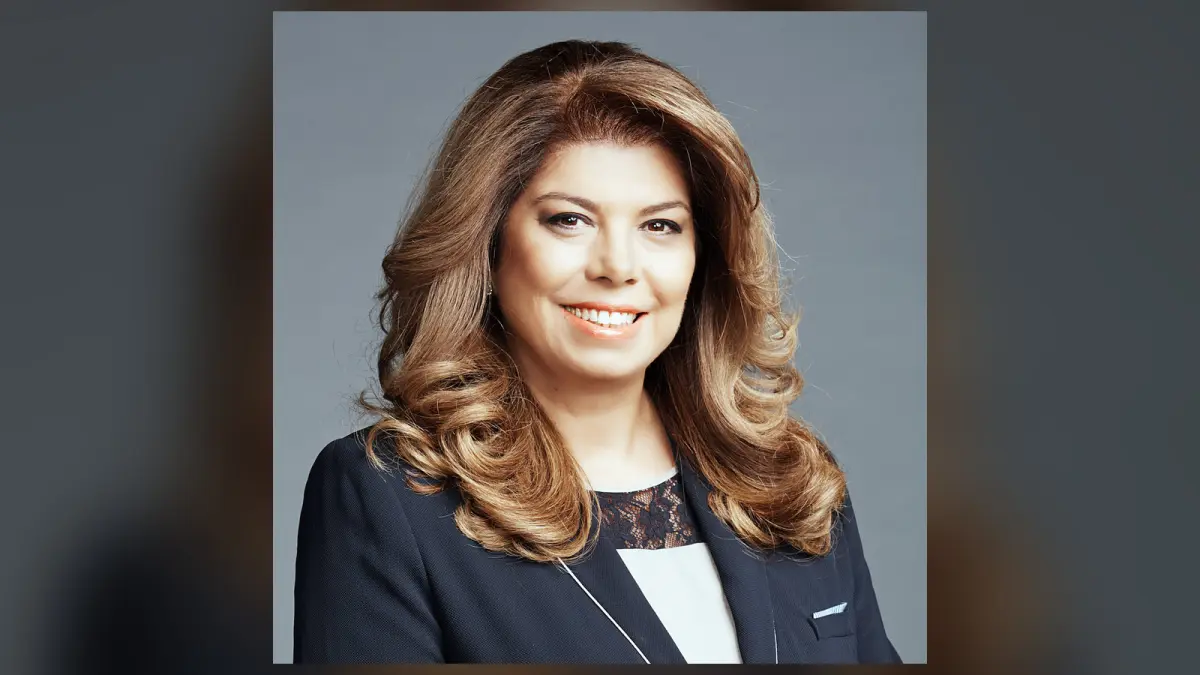
Sofia, 26 October. Bulgaria's incumbent President Iliana Yotova and former caretaker Prime Minister Andrey Gyurov have reached the run-off of the presidential election on 1 November: according to pollsters' exit polls, Yotova won 34.6% to 36.5% of the vote and Gyurov 31.9% to 32.7%.
Yotova ran with Kiril Valchev as vice-presidential candidate, Gyurov with Georgi Kandev. Third place, according to the Trend agency, went to Kostadin Kostadinov and Petar Volgin with 14%; Kostadinov is the founder and leader of the Vazrazhdane party, described as pro-Russian, which won 4.9% in April's parliamentary election. Between 3.6% and 4.8% of voters chose "I do not support anyone". A total of 26 candidates stood, and final results are expected by Tuesday.
Turnout was between 21% and 22.5%, by different estimates, a record low. To win in the first round, a candidate needs more than half of the votes on a turnout above 50%, so a run-off was expected. Interior Minister Ivan Demerdzhiev said the election had been peaceful, "without the usual practices of vote buying and vote manipulation". Yotova expressed concern about the low turnout. Gyurov invited her to a debate: "I invite Yotova to an open, honest and civilised debate to present our views on how we would exercise our powers and how we would act when Bulgaria faces difficult choices."
Yotova is backed by Prime Minister Rumen Radev and his Progressive Bulgaria party. Both candidates condemned the drone attacks on ships off Bulgaria's Black Sea coast, but they differ on the war in Ukraine: Yotova favours an immediate ceasefire, while Gyurov, backed by pro-Western parties, signed a security cooperation agreement with Kyiv while serving as prime minister.
What it means: The election will be decided on 1 November, and the gap between the candidates is smaller than polls predicted. The votes of supporters of Kostadinov, who came third, may prove decisive.
Who benefits: Yotova has the lead and the ruling party's backing; Gyurov has a chance to gather the votes of eliminated candidates. How closely the president and government coordinate foreign policy depends on the winner.
Background: In January 2026 Radev resigned as president a year before his term ended, and Vice-President Yotova became head of state; in April his Progressive Bulgaria won the parliamentary election. In February 2026 Yotova appointed Gyurov, a former deputy governor of the central bank, as caretaker prime minister until the April parliamentary election. Under the constitution, Bulgaria's president represents the country abroad and is responsible for some defence matters, while the government directs foreign policy.
We have also reported that Serbia and Bulgaria were electing a parliament and a president on 25 October.