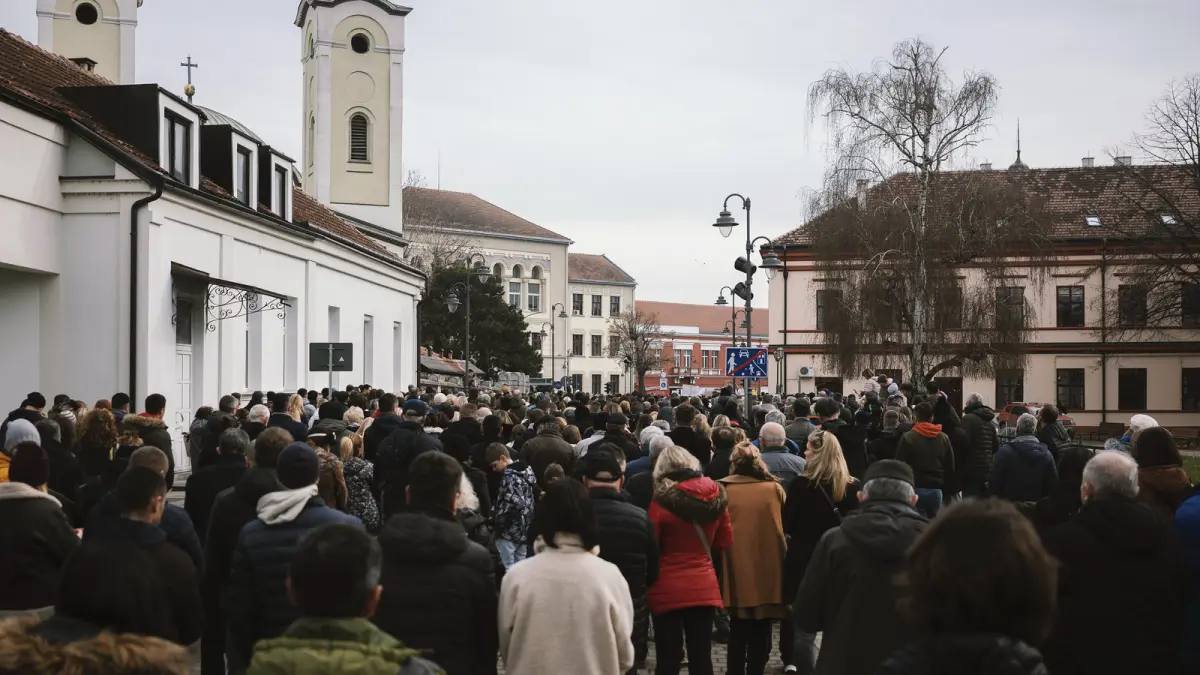
Belgrade, 26 October. Leaders of the Student List, which won Serbia's snap parliamentary election, said the future government would halt all arms exports to combat zones, including sales to Western intermediaries that pass weapons on to Ukraine, Reuters reported; Jovo Bakic, a professor at the University of Belgrade and one of the movement's representatives, added that the new authorities would not impose sanctions on Russia.
"Sanctions from a country as small as Serbia would change nothing for Russia, but symbolically it would be very bad," Bakic said. He noted that Serbia had itself lived through UN sanctions and knows how severe their consequences can be. Representatives of the movement also explained that buying hydrocarbons from Russia is for Serbia a matter not of political choice but of economic necessity.
On joining the European Union, the Student List, according to Reuters, believes Serbia should first focus on domestic reforms. The movement calls Kosovo part of Serbia that "can be reintegrated by peaceful means", whereas the EU requires Belgrade to normalise relations with Pristina.
These statements contradict the forecast of the outgoing authorities. Former president Aleksandar Vucic, conceding his coalition's defeat, predicted that the new government would impose sanctions on Russia as early as March or April and put the Student List's tally at 135–140 seats. According to the Tanjug news agency, the movement won more than 52% of the vote and can form a government on its own.
Overnight Serbia saw its first serious post-election incident: a crowd burst into the building of Informer TV, wrecked the premises and attacked the editor-in-chief, the channel itself reported. Who the attackers were and whether they are linked to any political force has not been reported.
What it means: A movement that grew out of anti-corruption protests set out its foreign policy the day after its victory: no weapons for conflict zones, no sanctions on Moscow and no rush into the EU.
Who benefits: Moscow, which keeps its relations with Belgrade and sees an end to Serbian ammunition flowing through intermediaries; Kyiv loses out. The Serbian economy, according to the movement itself, keeps access to Russian energy.
Background: The protests from which the movement grew began after a concrete canopy collapsed at Novi Sad railway station on 1 November 2024, killing 16 people. The students did not stand for parliament themselves, since candidates were chosen by student assemblies, and the movement has not yet said who will lead the government; Anadolu names cardiologist Ilija Srdanovic, former central bank governor Dejan Soskic and basketball player Dejan Bodiroga among the possible candidates.
We have also reported that Vucic conceded defeat as the Student List won Serbia's election.


