Astana, 28 October. The Energy Ministry has proposed extending for six months from 14 November 2026 the ban on exporting liquefied petroleum gas, propane and butane from Kazakhstan by road and rail, with the exceptions provided for in the draft; the draft order has been published on the Open Legal Acts portal and the consultation runs until 12 November, BES.media reported.
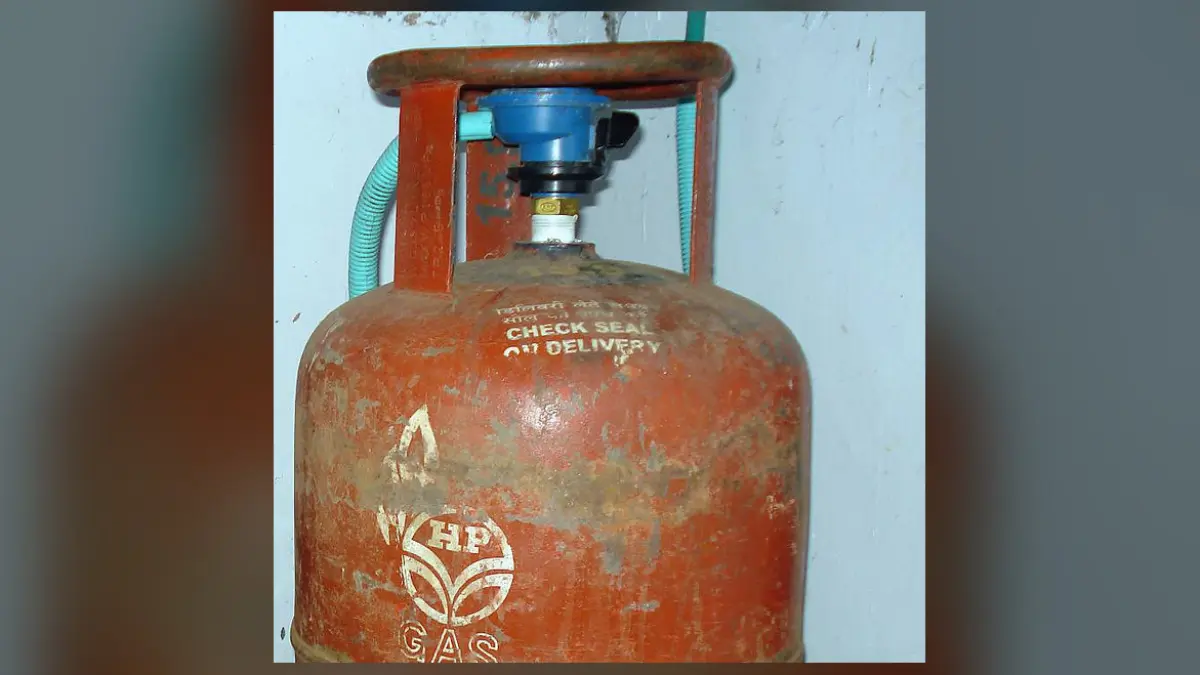
The ministry believes the restriction will help meet domestic demand for fuel. The ban has been extended before: in March 2026 the interdepartmental commission on foreign trade extended it for six months. Liquefied gas in Kazakhstan fuels a large share of passenger cars and is used for heating in villages without piped gas.
The decision coincides with the address in which the President named supplying villages with gas as one of the tasks of "People's Construction", and with December hearings on extending the Saryarka gas pipeline in North Kazakhstan Region.
What it means: Kazakhstan is again keeping liquefied gas on the domestic market to prevent shortages and price spikes at filling stations in winter. If the order is approved, the restrictions will apply at least until May 2027.
Who benefits: Drivers of gas-powered cars and rural consumers, who get fuel reserves at home and more predictable prices. Producers and traders who could sell gas abroad at higher prices lose out.
Background: Liquefied petroleum gas is a mixture of propane and butane obtained from oil refining and associated gas processing; unlike piped natural gas, it is transported in cylinders and tanks.
We have also reported that gas is promised to the north by 2030 by extending the Saryarka pipeline.


