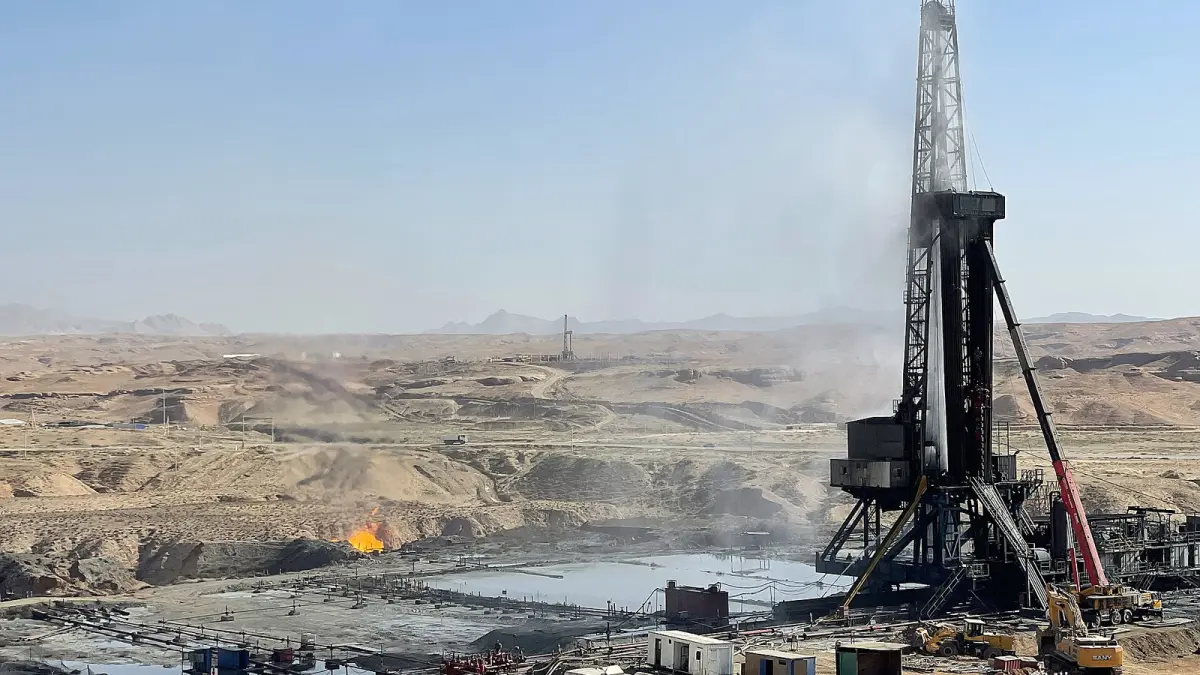
Tashkent, 30 October. Gas production in Uzbekistan keeps falling because large fields are in many cases more than 80% depleted and new ones do not make up for the losses, Uzbekneftegaz chief geologist Nodir Mukhiddinov said, Fergana reports.
At the start of the year the company’s daily output was about 65 million m³; it has since fallen by 12.6 million. Repairs and new wells have recovered part of the losses, but almost 5 million m³ a day remain uncompensated; the company expects to return to the previous level by the end of the year. 79 wells have been overhauled, wellhead compressor stations are being installed and sidetracks drilled. New fields are being sought mainly in the Ustyurt region, but drilling now has to go deeper than 5,000 m instead of 3,000–5,000 m before, which is more expensive. This year the company obtained licences for 42 investment blocks, seismic surveys will grow almost fivefold, and reserves increased by 12.5 billion m³ in nine months.
Kazakhstan faces a similar problem from another side: in nine months of 2026, according to the Energy Ministry, it produced 47.4 billion m³ of gas, 8.1% less than a year earlier, but only 37% of output goes to processing while 52% is reinjected; marketable gas output was 17.6 billion m³ (−10%), consumption rose to 14.9 billion m³, and imports in nine months reached 6.4 billion m³ against 4.7 billion m³ in the whole of 2025.
What it means: Central Asia’s two largest gas producers are simultaneously running into depleted old fields and rising domestic demand, and the region is turning from a gas exporter into an importer.
Who benefits: Gas suppliers to the region — Russia and Turkmenistan — gain growing demand. Uzbekistan and Kazakhstan so far face only the costs of exploration and deep drilling. Consumers face the risk of winter shortages and higher tariffs.
Background: Uzbekistan until recently exported gas to China and Russia and since 2023 has itself imported Russian gas through Kazakhstan’s territory. Reinjecting gas into reservoirs maintains pressure and oil output — this is how Tengiz and Karachaganak work.



