Astana, 10 November. The Investor Rights Protection Committee of the Prosecutor General’s Office reported that prosecutorial oversight led to 1,294 administrative cases and about 220 million tenge in fines.
A fee for holding unused electrical capacity is also being prepared for large enterprises, the Committee’s report says.
The violations concerned connecting investors to utility networks. In one large city investors were required to obtain prior approval from the local executive body, which the law does not provide for; the practice, the Committee says, lasted several years and the approval has now been abolished. Since 2023 natural monopoly entities have been obliged to post information on their networks and free capacity in the Geoportal of Gosgradkadastr, but many did not: more than 40 entities have been held liable for failing to publish or update it.
Since 11 July, technical conditions for connection must be issued only through the Geoportal. Of the 426 natural monopoly entities that issue them, 424 are now authorised in the system. Refusals to investors must now be signed by the first heads of state enterprises: the practice is already in place at Astana-Teplotransit, Astana-REK and Astana Su Arnasy.
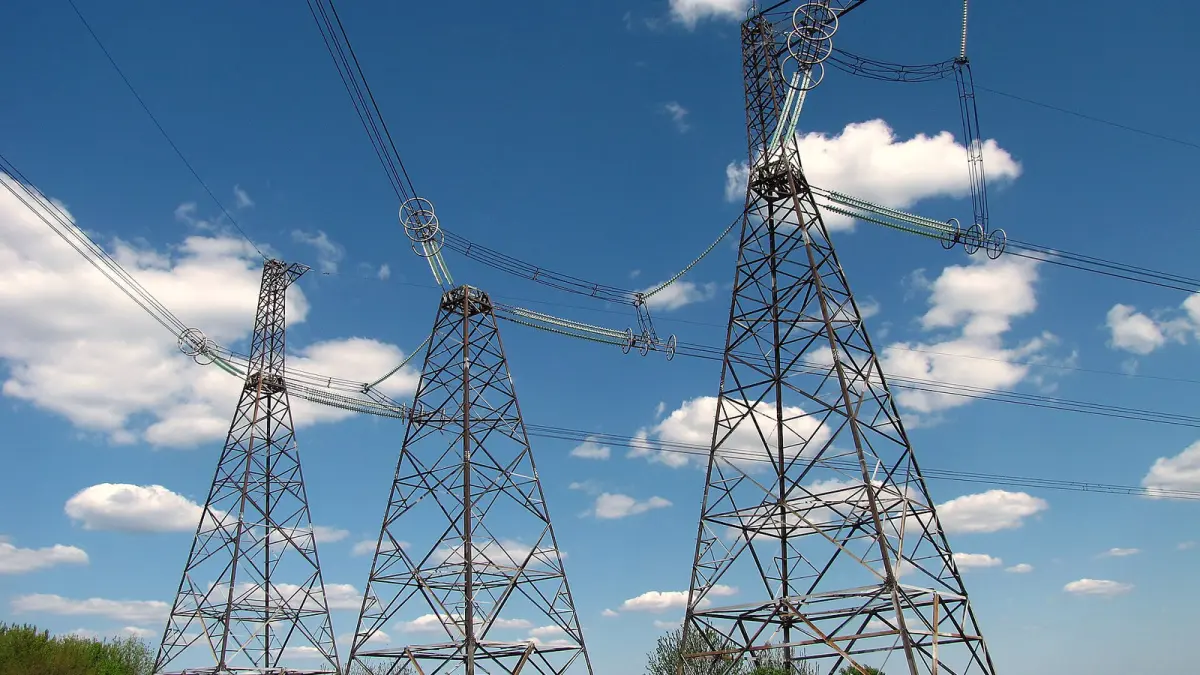
Electrical capacity is a separate problem. Large enterprises hold significant volumes of capacity in reserve for a long time without using it, and when electricity is in short supply this prevents connecting new production. The Committee for the Regulation of Natural Monopolies of the Ministry of National Economy has prepared legislative amendments introducing a fee for holding unused capacity. The size of the fee, the timing of submission to parliament and the threshold of “significant volumes” are not stated. By our calculation, the average fine across the 1,294 cases was about 170,000 tenge.
What it means: The state is starting to treat electrical capacity as a scarce resource: whoever holds it unused will pay, to free space for new production. For now these are amendments, not law, and the size of the fee is unknown.
Who benefits: Investors who struggle to connect to networks: the Committee names the aim as freeing reserves for new projects. Large enterprises holding unused capacity face costs under the amendments. Which enterprises the measure will affect is not reported.
Background: Technical conditions are a document in which a network operator sets out the terms for connecting to the networks; without it design work cannot begin. Natural monopolies are organisations whose services cannot be replaced by competition, such as electricity, heat and water networks; their tariffs and operations are regulated by the state.



