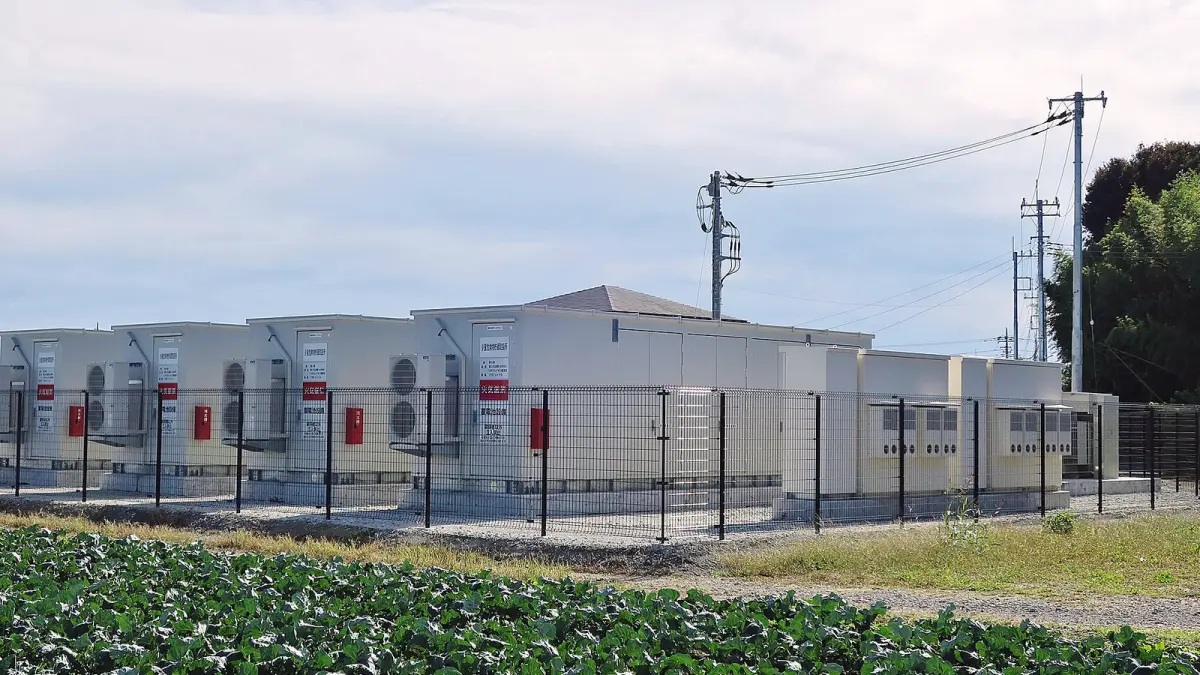
Astana, 11 November. The Kurultai approved in first reading amendments on the development of alternative energy that introduce competitive auctions to select electricity storage projects and long-term payment of up to 15 years for maintaining the capacity availability of such projects, the Ministry of Energy said.
The bill was drawn up to carry out the President's Address on strengthening the resilience of the power system; it was presented by Energy Minister Yerlan Akkenzhenov. The ministry puts the power system's need for flexible capacity at about 3 GW: about 2 GW is planned to come from renewable energy projects, and additional mechanisms to attract investment are being created for the remaining 1 GW. Auctions to select storage projects are proposed for this purpose.
The amendments go into the Law on the Electric Power Industry: they create a legal basis for storage systems to operate and take part in the wholesale market and set the procedure for paying for capacity-availability services and forming the related tariffs, Kazakhstan Today reported. The rights and duties of storage operators are fixed, in particular capacity and energy certification and installing automated commercial metering systems, and the concepts of "alternative energy", "non-renewable energy sources" and "alternative energy facilities" are introduced. The regulation of nuclear energy will remain in separate legislation.
The second block of amendments concerns bilateral electricity supply contracts. Facilities that supplied electricity under such contracts for at least 36 months will be able to switch to selling it to the Single Buyer. According to the ministry, this reduces the risk of losing sales and makes investment projects more stable.
A separate block deals with heat supply and industry: wider use of secondary energy resources, low-grade and waste heat, heat pumps, biomass, biogas and hydrogen is proposed. The bill also creates a legal basis for developing hydrogen technologies, using the energy of industrial processes and obtaining energy from waste disposal. The announcement does not give the date of the second reading, the number and capacity of future storage projects or the size of the payment for maintaining capacity.
The minister explained why the country needs storage when answering deputies' questions about night-time electricity: in 2025 Kazakhstan generated 123.1 billion kilowatt-hours and consumed 124.6 billion, a gap of 1.5 billion kilowatt-hours. Night-time electricity, he said, will be stored in the country rather than sent to Russia, Kyrgyzstan or other neighbours, Akkenzhenov said.
What it means: The ministry wants to obtain about 1 GW of the 3 GW of flexible capacity needed through auctions for storage, and offers investors payment for the service for up to 15 years to attract them.
Who benefits: According to the ministry's description, it benefits investors in storage, who are offered payment for maintaining capacity for up to 15 years, and producers that supply electricity under bilateral contracts: for them the risk of losing sales falls. The power system, according to the ministry, will gain more reliability.
Background: Electricity storage systems store power when there is plenty and release it when there is not; flexible capacity means capacity that can be quickly switched on or reduced as demand and the output of renewable sources fluctuate.



