Monday was lived in the shadow of last Friday. US exchanges ended the week with their worst fall since 2020, and Asian markets spent the start of the new week absorbing someone else’s losses: Seoul fell more than three per cent, the tenge weakened to 455 to the dollar, and oil slipped even though there was fresh shooting on the Red Sea. Meanwhile Washington is demanding answers from Nvidia, Brussels has moved to protect its composites makers, and Tajikistan has filed notice of its withdrawal from the International Criminal Court.
The world in a day
- 3.31%
fall in South Korea’s KOSPI index on 23 November - 23%
Nvidia’s share loss last week - $1.79 billion
weekly outflow from US spot bitcoin funds - $92.1
price of a barrel of Brent on Monday - 20 November 2027
the date Tajikistan leaves the Rome Statute
According to Yonhap, Yahoo Finance, SoSoValue, Grafa and the UN
- 3.31%
The bill for expectations
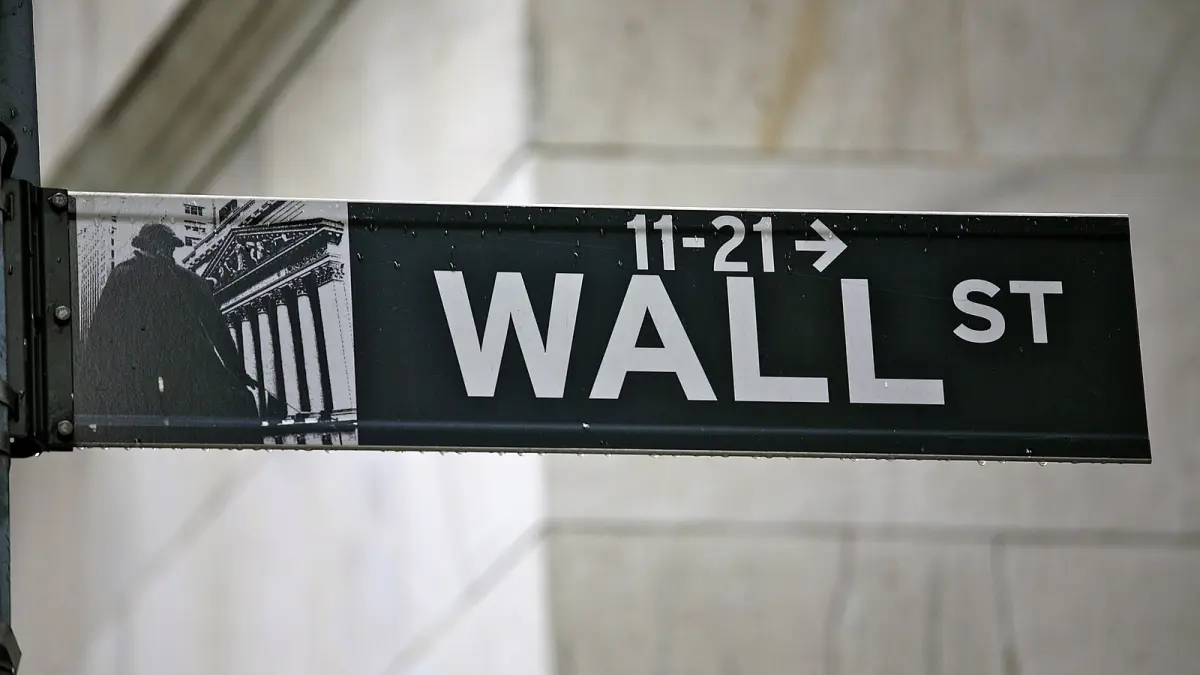
The week on Wall Street was of a kind last seen in 2020. The S&P 500 lost 8.6%, and the Nasdaq Composite and Dow Jones lost 10% and 8%, Yahoo Finance calculated, while Nvidia shares fell 23%, their sharpest drop since October 2008.
Even Anthropic’s listing did not turn the mood. The developer of the Claude model sold 980 million shares at $83, trading began on 19 November, but on Friday the shares lost 8% in a day. On Monday the wave reached Asia: South Korea’s KOSPI fell 3.31%, and the government in Seoul is preparing to activate a market stabilisation fund. US index futures were rising by morning, however, and the market is trying to work out whether Friday was the bottom.
Companies that promised to teach machines to predict spent a week unable to predict their own share prices.
Kazakhstan felt it through its currency. The weighted average dollar rate on the exchange rose by 6.19 tenge to 455.32 on Friday, and the KASE index fell for three sessions in a row. Cryptocurrencies fell too: $1.79 billion was withdrawn from US spot bitcoin funds over the week.
Nvidia without Huang
Against this background Washington added to Nvidia’s worries. Treasury Secretary Scott Bessent said on CBS that the administration is waiting for answers from the company on chip sales to China and wants to know who was in charge of compliance. The questions arose after Nvidia’s founder Jensen Huang resigned on 12 November over his relationship with a woman US intelligence suspects of spying for China. For Kazakhstan this is a story about a man who a month ago was awarded the Dostyk Order here and proposed making the country a hub for physical artificial intelligence.
Oil that strikes do not scare
On Monday the oil market chose fear of a glut over fear of war. Brent fell about half a per cent to $92.10, even though Yemen’s Houthis claimed a strike on the Saudi refinery at Rabigh and three tankers were attacked in the Gulf of Oman over the weekend. Prices are falling for a third week in a row.
The tone around Iran has hardened. In an interview with Fox News, Donald Trump threatened new strikes after the New Year if negotiations fail, and Iran’s Foreign Ministry replied that it regards the naval blockade as military aggression and will use “all its tools” against it. For Kazakhstan, which sells oil at prices tied to Brent, falling quotes mean less revenue, and the persistence of military risks means the respite may prove short.
Brussels shuts the door on composites
On 23 November the European Commission opened a safeguard investigation into imports of composites: glass-fibre materials, epoxy and polyester resins and their raw materials. Unlike anti-dumping duties, safeguard measures apply to imports from all countries, but Euronews explicitly describes the investigation as a response to cheap Chinese supplies, which have grown by a quarter. Provisional measures are possible in four to five months. There are no Kazakh exports among the products covered.
Dushanbe leaves The Hague
On 20 November Tajikistan notified the UN of its withdrawal from the Rome Statute and in a year will cease to be a party to the International Criminal Court. It is the only Central Asian country that has been a member, and its dispute with the court was a loud one: in March the ICC found that Dushanbe had failed to arrest Vladimir Putin during his visit. Seven states have now announced their withdrawal from the statute in 2026.
What lies ahead
The week promises several tests for markets. OPEC+ ministers meet on 29 November, and on 4 December the National Bank of Kazakhstan will announce its last base rate decision of the year. US exchanges are expected to answer the main question: was Friday’s sell-off the bottom or only the beginning.



