Tokyo, 24 November. Japan will not take part as an observer in the first review conference of the Treaty on the Prohibition of Nuclear Weapons (TPNW), Foreign Minister Toshimitsu Motegi said on Tuesday, the Anadolu agency reports, drawing on Kyodo.
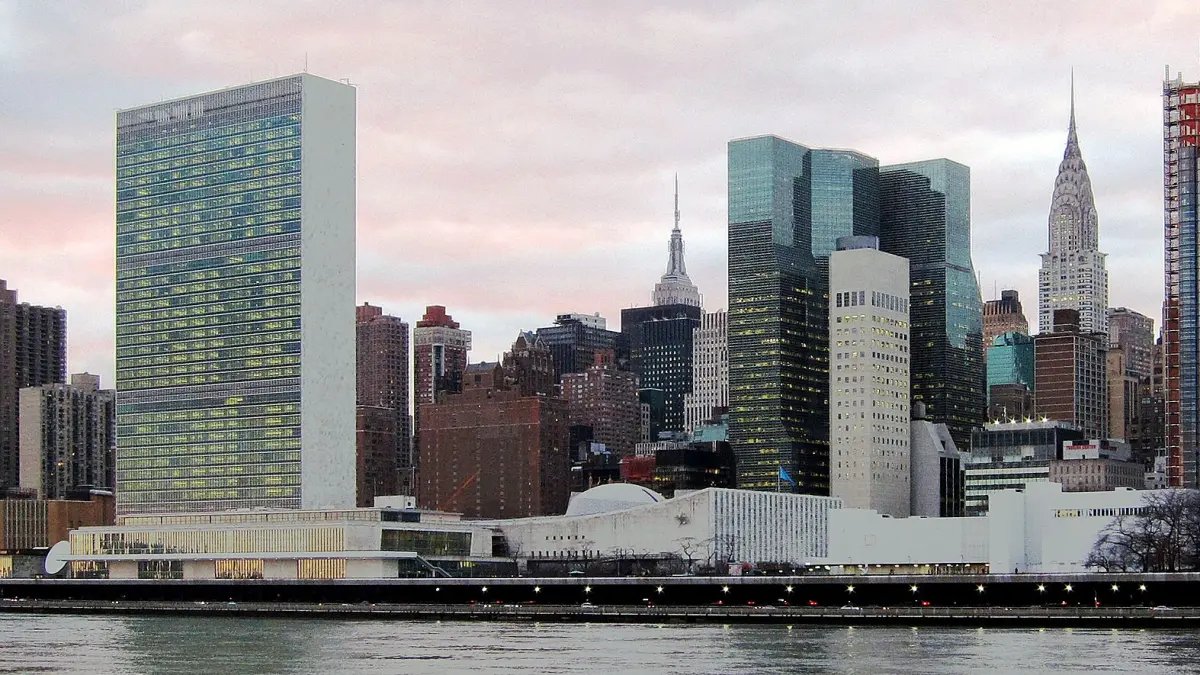
The conference will take place at UN headquarters in New York from 30 November to 4 December. It will be chaired by South Africa's ambassador Xolisa Mabhongo. Participants are to assess how the treaty is being implemented and what has changed in nuclear disarmament during the years it has been in force.
The TPNW was adopted in 2017 and entered into force in January 2021. The treaty prohibits developing, testing, producing, possessing and using nuclear weapons and threatening to use them. Japan, the only country to have suffered atomic bombings in war, has neither signed nor ratified the treaty: Tokyo considers US nuclear deterrence necessary for its security and proposes disarmament in steps involving both nuclear and non-nuclear states.
The Japanese government has turned down the observer role more than once. In March 2025 it did not go to the third meeting of states parties to the treaty. "In the current severe security environment, nuclear deterrence is necessary to protect the lives and property of the people, and the sovereignty and peace of Japan," the then Chief Cabinet Secretary Yoshimasa Hayashi explained. At that time the organisation of bombing survivors Nihon Hidankyo, which received the Nobel Peace Prize in 2024, had asked the government to attend.
The current decision coincided with a debate in Tokyo on the three non-nuclear principles of 1967: not possessing, not producing and not introducing nuclear weapons. Prime Minister Sanae Takaichi, according to Kyodo, intends to keep the first two bans but is ready to review the third. In China this caused "serious concern": Chinese Foreign Ministry spokesman Lin Jian called the Japanese government's ambiguous statements about the principles "a dangerous signal to the international community", Anadolu writes.
For Kazakhstan the treaty is part of its own history. At the Semipalatinsk test site about 456 Soviet nuclear tests were carried out between 1949 and 1989, according to the estimate of the International Campaign to Abolish Nuclear Weapons (ICAN). Kazakhstan signed the TPNW on 2 March 2018 and ratified it on 29 August 2019, the International Day against Nuclear Tests. Together with Kiribati it was appointed co-chair of the treaty's informal working group on victim assistance and environmental remediation. The third meeting of states parties in March 2025 was chaired by Kazakh ambassador Akan Rakhmetullin.
What it means: Japan, which speaks of the memory of Hiroshima and Nagasaki more often than others, is once again staying away from the main forum of supporters of a complete ban on nuclear weapons. The decision comes while Tokyo is debating whether to loosen the ban on bringing nuclear weapons into the country, and the government still puts US nuclear deterrence first.
Who benefits: The Japanese government explains such decisions by saying that attending TPNW forums would get in the way of its reliance on US nuclear deterrence and its work under the NPT, as Hayashi said in 2025. Bombing survivors and supporters of the treaty, Kazakhstan among them, sought the opposite: Japan's participation at least as an observer.
Background: No nuclear power has signed the TPNW. The main non-proliferation treaty remains the 1968 Treaty on the Non-Proliferation of Nuclear Weapons (NPT), to which both Japan and Kazakhstan are parties.



