Astana, 25 November. President Kassym-Jomart Tokayev signed a decree on the State Commission for Control over the Spending of Funds under the Khalyktyk Kurylys (“People’s Construction”) programme and approved its membership, the Akorda press service said.
The commission will be headed by the chair of the Supreme Audit Chamber, and it will report to the President every quarter and at the end of the year.
The decree is dated 24 November and numbered 1578: this is clear from the commission’s membership list attached to the announcement. The commission’s tasks are to ensure that the programme’s projects are carried out on time and to a good standard, and to keep budget risks and inefficient spending to a minimum. All stages will come under its control, from planning and the allocation of money to the actual commissioning of facilities. The commission will monitor deadlines, costs and the legality of public procurement, identify projects with heightened risks and work out measures to eliminate them.
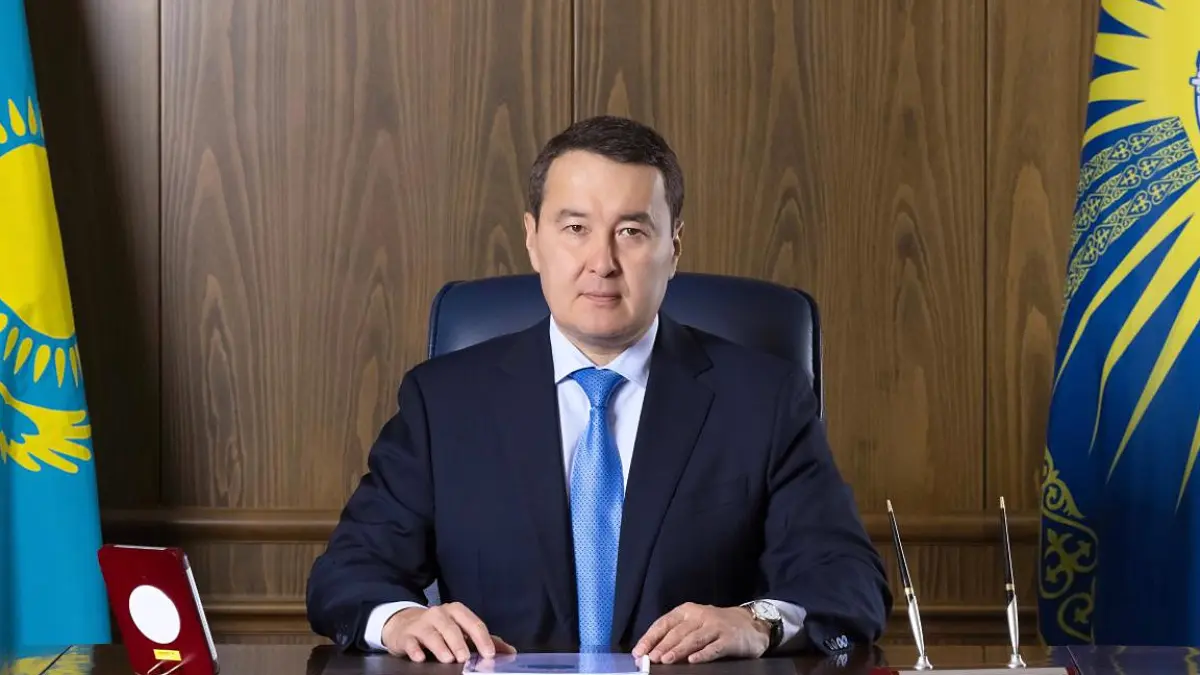
The commission’s working body is the Supreme Audit Chamber, the highest body of state audit and financial control, which is subordinate and accountable directly to the President. Its chair heads the commission ex officio; the chamber is currently led by Alikhan Smailov. The chair has one deputy, the President’s aide for economic affairs; this post, according to the Akorda website, is held by Nurlan Baibazarov.
The other representatives of state bodies are also included by office, without names. They are the head of the Office of the Security Council, the First Deputy Prime Minister, and the chairs of the Financial Monitoring Agency and the Agency for Strategic Planning and Reforms. The list includes deputies of the Prosecutor General, of the chair of the National Security Committee and of the chair of the National Bank. The regions are represented on the commission by the chairs of the maslikhats, the local representative bodies, of the capital, the regions and the cities of republican significance.
The decree names 38 people individually. Among them are 13 deputies of the Kurultai, including the chairs of three committees: Olga Perepechina (finance and budget), Natalya Godunova (economic policy, industry and energy) and Marat Kozhayev (international affairs, defence and security). Another 13 are members of the Kazakhstan Khalyk Kenesi (People’s Council of Kazakhstan), established in the course of the reform of state power. They include Lyazzat Chinkisbayeva, chair of the management board of the Kazakhstan Khalkyna public foundation, and Vera Kim, chair of the National Volunteer Network association.
The commission includes 5 journalists. Three work on television programmes about People’s Construction on the Qazaqstan and 24.kz channels: Nurbek Bekbauov, Vera Zakharchuk and Riat Shoni. Besides them, the membership includes Raushan Kazhibayeva, director of the Presidential Television and Radio Complex, and Renat Tashkinbayev, author and presenter of the YouTube project Drugiye Mesta (“Other Places”). From business and the expert community the list includes Andrey Shin, founder of the Shin-Line group of companies, and Birzhan Batkeyev, chair of the management board of the Economic Research Institute. The Atameken National Chamber of Entrepreneurs is represented by Irina Manzhanova, a member of its presidium’s committee for construction and housing and utilities.
The infrastructure modernisation programme, as it is called in the decree, was announced by the President in his Address on 28 October. By the end of 2029 about 6.5 trillion tenge from the National Fund, where the country’s oil and gas revenues accumulate, will be directed to social, transport and engineering infrastructure in all regions. As early as 31 October the Head of State wrote on the social network X that he considered it necessary to set up a state commission to control the spending of this money. According to him, it was to include the heads of the relevant agencies, deputies of the Kurultai and the maslikhats, members of the People’s Council, public figures, activists, volunteers and journalists. The chair of the commission was not named at the time. At the Security Council meeting on 13 November the President promised that the commission’s membership would be published at the beginning of the following week; it appeared on 25 November.
Money under the programme is already being distributed. By 4 November, 262 projects worth 1.5 trillion tenge had been approved, and 497 billion tenge had been allocated for 122 of them, First Deputy Prime Minister Nurlybek Nalibayev reported. He made a point of noting at the time that the entire 6.5 trillion tenge would be under the strict control of the government. Now the first deputy prime minister himself sits ex officio on a commission led by the head of the audit body.
The Akorda announcement does not say how the commission will get violations corrected or whether it has the right to suspend the financing of projects.
What it means: An idea the President voiced on 31 October became, in less than a month, a decree with a chair, a working body and a reporting procedure. Spending under the programme will be monitored by a commission headed by the leader of the state audit body, and it will report directly to the President. Deputies, public figures and journalists have been given seats on it alongside the heads of agencies.
Who benefits: The President, who will receive quarterly and annual reports on the programme’s progress from the commission itself. The Supreme Audit Chamber: it has become the commission’s working body, and its chair the commission’s head. Kurultai deputies, members of the People’s Council and journalists, who have been given seats on the commission. For the ministries and akimats that spend the programme’s money, one more inspector has been added.
Background: Questions about projects that are seeking money from the National Fund arose even before the programme began. The Supreme Audit Chamber, as the outlet BES.media reported in October, found the status of 66 projects with a total cost of about 1 trillion tenge to be unclear. The President proposed declaring the coming year, 2027, the Year of nationwide large-scale construction. A further 1.5 trillion tenge is set aside by the Address for launching social projects this year and in the first two months of 2027.
We have also reported on how Tokayev proposed creating such a state commission, how 262 projects worth 1.5 trillion tenge were approved under the programme and how auditors found questions over 66 National Fund projects.



