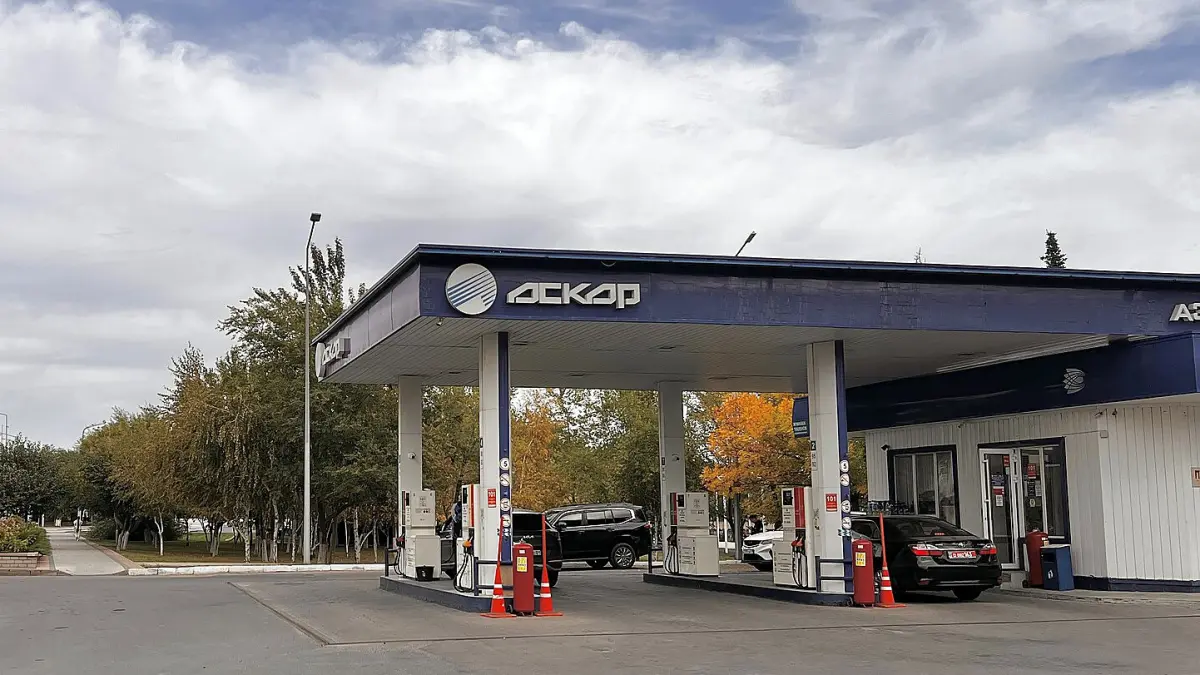
Astana, November 6. Kazakhstan has extended its ban on exports of petrol, diesel and several other oil products by another six months: from November 22, 2026 to May 22, 2027, according to the energy minister’s order of October 30, 2026.
The order is titled “On certain issues of exporting oil products from the territory of the Republic of Kazakhstan”.
The ban also applies to exports to the Eurasian Economic Union (EAEU) states: Russia, Belarus, Armenia and Kyrgyzstan. Petrol, diesel and certain other oil products may not be exported by road. Exemptions are made for lubricants, for fuel in vehicles’ standard tanks (no more than once a day) and for aviation fuel exported for research work and laboratory tests of additives. Export of any oil products by rail is banned, except petrol under approved supply plans and humanitarian aid deliveries by government decision, Forbes Kazakhstan specifies. The order comes into force on November 16, six days before the ban itself begins.
A separate ban applies from January 1 to June 30, 2027: light distillates, aviation kerosene, diesel, gas oils, toluene, xylene and petroleum bitumen may not be exported beyond the customs territory of the EAEU, the order says.
The ban is not new. The previous order banned exports from May 21 to November 21, 2026, according to the energy minister’s order of April 30, 2026; before that the ban ran from November 20, 2025 to May 20, 2026, Zakon.kz recalls. The Ministry of Energy proposed extending it back in July, to supply the domestic market with oil products, BES.media wrote.
For neighbours that depend on imported fuel the ban is felt. Kyrgyzstan’s energy ministry on July 2 sent official appeals to Russia, Kazakhstan, Belarus, Azerbaijan, Uzbekistan and Turkmenistan asking for help in securing stable fuel supplies. The republic still depends on imports for most of its fuels and lubricants, according to a statement by the Kyrgyz ministry.
What it means: The ban, which was due to expire on November 21, has been extended without a break for six months for road and rail exports, including to EAEU countries. For exports beyond the EAEU of light distillates, kerosene, diesel, gas oils, toluene, xylene and petroleum bitumen a separate ban applies from January 1 to June 30, 2027.
Who benefits: According to the Ministry of Energy, the domestic market: fuel stays in the country. It does not help fuel importers in neighbouring countries, notably Kyrgyzstan, which asked in July for help with supplies: the order names no exemptions for neighbouring states, except humanitarian aid by government decision for rail exports.
Background: The EAEU is a customs and economic union with no duties at its internal borders; the ban applies there too, so fuel cannot be exported even to countries with a common customs regime. Light distillates are oil fractions that boil at low temperatures and go into petrol and kerosene. Gas oil is a fraction between kerosene and fuel oil from which diesel is made. Toluene and xylene are aromatic hydrocarbons: solvents and feedstock for the chemical industry. Petroleum bitumen is a binder for road asphalt.



