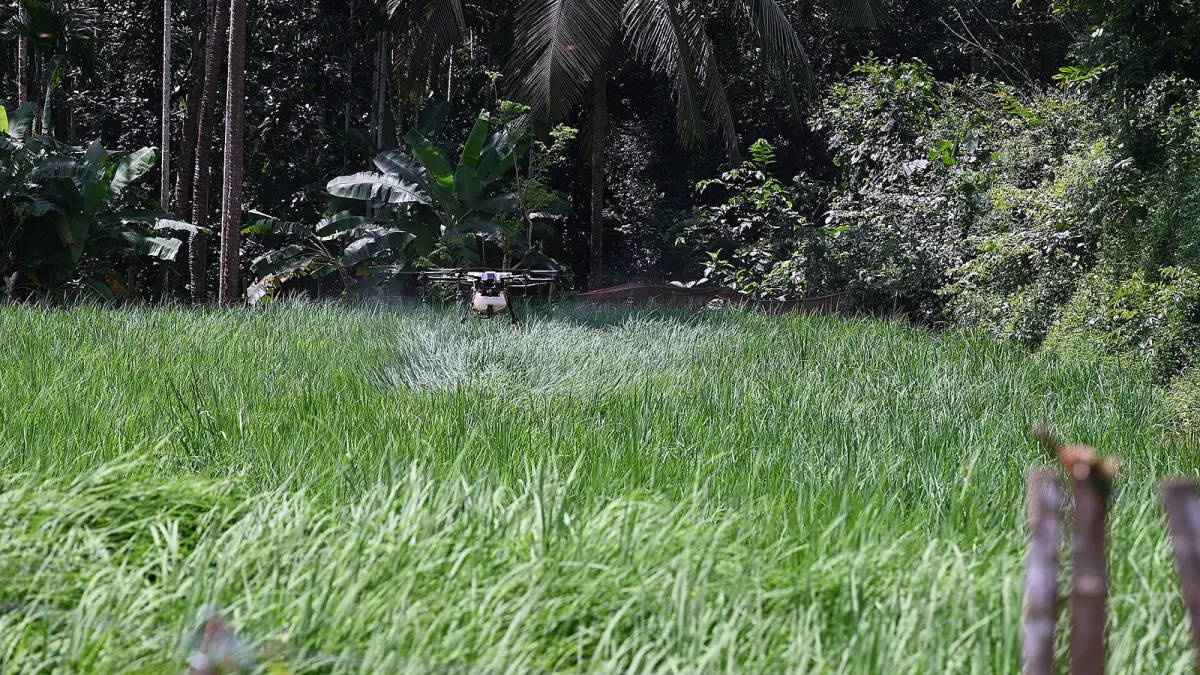
Astana, 30 October. Kazakhstan’s government, by resolution No. 898 of 13 October, has approved a Comprehensive Plan for the Development of Unmanned Systems for 2026–2029: by 2029 the country is to have full-cycle domestic drone production, a single digital platform for registering drones and approving flights, at least two research centres and at least 1,000 trained specialists, the Ministry of Artificial Intelligence and Digital Development said.
The plan was drawn up on the Prime Minister’s instruction of 10 April 2026, which tasked the ministry with bringing together the scattered parts of the unmanned industry. It is carried out by 18 state bodies — among them the ministries of transport, defence and internal affairs, the national security bodies and financial regulators — as well as regional administrations, development institutions and state-linked companies; the ministry coordinates the work.
The first strand is a single digital platform for unmanned aircraft systems and an automated drone traffic management system (UTM). Through it, applications, drone registration and route approvals will go through a “one-stop shop”; the ministry promises to drop paper procedures entirely. The second is production: not assembly of imported kits but the manufacture of critical hardware components, communication systems and secure domestic software, with an eye on exports. The third is people: operators, design engineers, embedded software and AI developers, cybersecurity and maintenance specialists. Research centres and laboratories are to be set up with universities and international technology companies.
Drones are to be used in agriculture, energy, industry, logistics, ecology and emergency response. A pilot project for unmanned cargo transport is planned for 2027–2028. The published information names neither the plan’s cost nor its sources of funding; the document itself took effect on the day it was signed.
What it means: Kazakhstan is moving from buying ready-made foreign drones to building its own industry: registration and flights go into one digital system, and the state undertakes to grow manufacturers, engineers and operators.
Who benefits: Drone owners and operators gain electronic registration and fast flight approval instead of paperwork. Kazakh manufacturers and start-ups gain priority state support. Farmers, energy companies and rescuers gain new tools. Budget costs have not yet been disclosed.
Background: A drone (UAV, unmanned aerial vehicle) is an aircraft with no crew on board, controlled remotely or flying a set programme. In Kazakhstan drone regulation is split between several agencies: civil aviation, the police and security bodies; according to BES.media, under the plan the authorities are considering handing control of drones to the Interior Ministry with online registration, compulsory liability insurance for owners and operator certificates issued through specialised public service centres. In 2026 Astana hosted the first demonstration flight of a drone carrying a passenger, and Kazakhstan and China agreed on unmanned cargo transport between the two countries.


