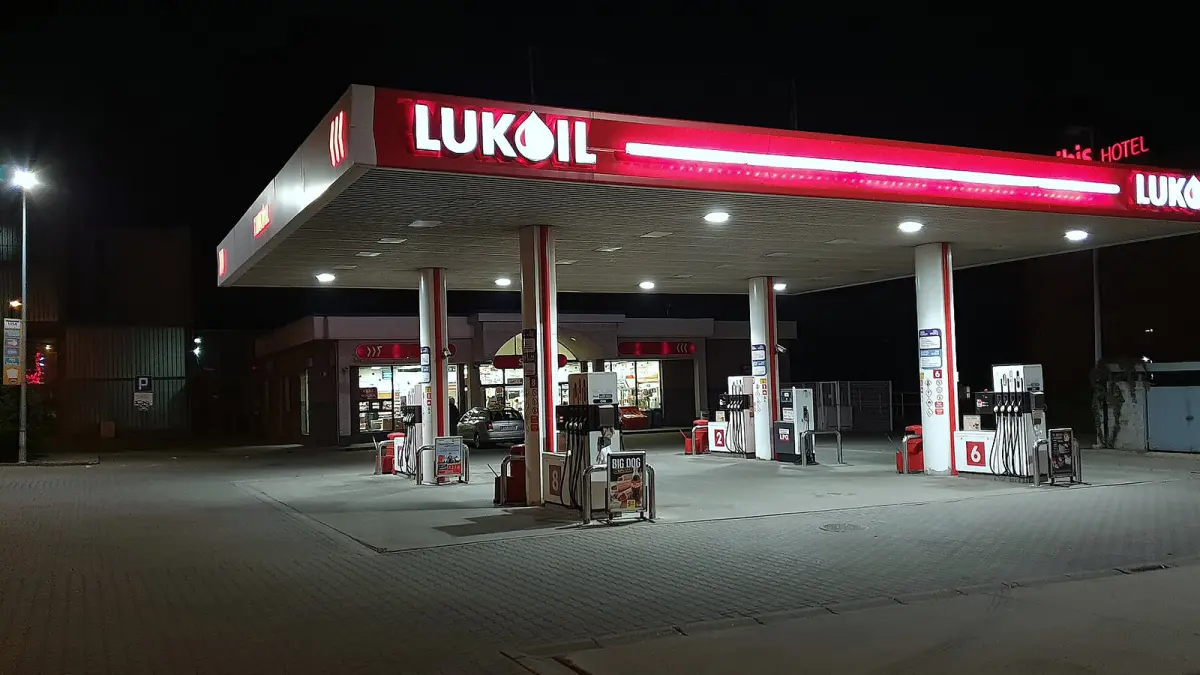
Washington, 3 November. A consortium led by American billionaire Todd Boehly is preparing a deal to buy Lukoil’s international assets through a securities swap rather than for cash, and an agreement could emerge within weeks, four people familiar with the sale process told Reuters.
The consortium includes Boehly and the Emirati International Holding Company and Al Hail Holding; the bid is also backed by the Al-Khayat brothers and the US International Development Finance Corporation (DFC). Neither Boehly, nor Lukoil, nor the other participants replied to requests; an IHC spokesperson said the company does not comment on possible investments.
The scheme is as follows. Frozen Lukoil securities held by Western investors, including Capital Group, would be exchanged for the company’s international assets. A bank acting for the consortium has already bought such securities from about ten US and British funds and from US depositary banks, at 30 cents on the dollar: the discount reflects their sanctioned status. To move the deal forward, the consortium promised to place the shares in an escrow account rather than hand them straight to Lukoil. In December the US Treasury rejected an offer from a group that included Xtellus Partners precisely because Lukoil should not receive a windfall from the sale in shares or cash.
The sale has been under way for more than a year. The US imposed sanctions on Lukoil on 22 October 2025, after which the company announced it would sell its foreign assets, valued at about $20 billion. A deal with the trader Gunvor fell through because the US Treasury did not approve it. The agreement with Carlyle from late January 2026 expired at the end of July without approval from the Office of Foreign Assets Control (OFAC), and in October Carlyle left the race. OFAC has extended until 21 November the licence for negotiations; the agency must approve any deal separately.
Kazakhstan has three stakes in this story. Lukoil holds 13.5% of Karachaganak, 5% of Tengiz and 12.5% of the Caspian Pipeline Consortium (CPC), as Reuters recalled in February. In the summary accounts of Tengizchevroil LLP for 2025 Lukoil is named a partner in the partnership with a 5% share. In the January agreement with Carlyle, according to Lukoil itself, there were no Kazakh assets. At the same time the US Treasury, by a separate licence, took CPC, Tengizchevroil and Karachaganak out from under sanctions, and Kazakhstan has a priority right to buy Lukoil’s stakes: Astana sent a request to Washington in January, and KazMunayGas said in February that it was in talks with Lukoil on the key projects. Whether the Kazakh stakes are part of Boehly’s scheme, Reuters does not say.
What it means: The buyers are trying to get around Washington’s main condition, that Lukoil should not profit from the sale: securities instead of cash and escrow instead of handing them to the company. For Kazakhstan the question of the three stakes remains open: the Reuters report does not mention them.
Who benefits: According to Reuters, the deal will test whether sanctions can force a major Russian company to sell foreign assets and limit financial gain to Moscow. Holders of frozen securities, as the report implies, exit them at 30 cents on the dollar.
Background: Before the sanctions Lukoil was among Russia’s largest oil companies; its foreign assets are combined in Lukoil International GmbH, which became the subject of the bidding.



