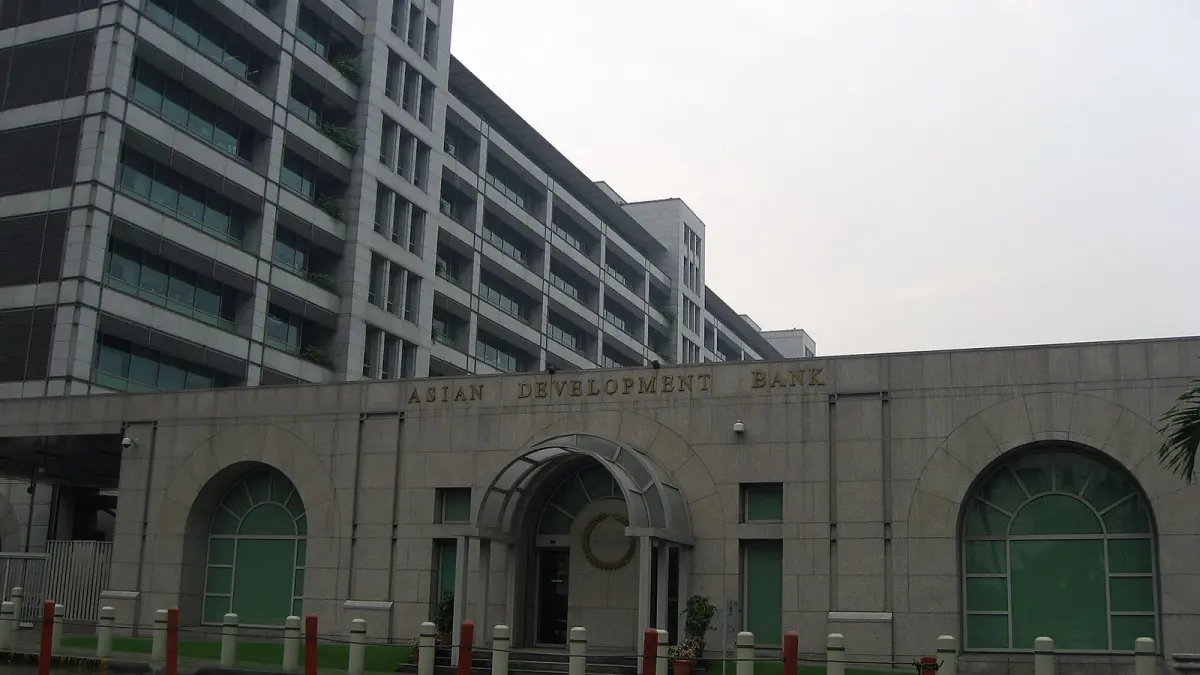
Astana, 4 November, . The Kurultai has ratified an agreement with the Asian Development Bank on a loan of 3.4 billion Chinese yuan for 15 years, including a three-year grace period, finance minister Madi Takiyev said at the session.
The money will go into the national budget and be spent on social programmes, transport infrastructure, industry and education. According to the minister, servicing the loan will cost 34 billion tenge, while borrowing the same amount on the domestic market would cost more than 400 billion. The yuan was chosen because loans in dollars, euros and yen have become more expensive: “This segment lets us save a lot of money today,” Takiyev said. The 2026 national budget deficit is 4.6 trillion tenge, or 2.5% of GDP; public debt is 38.8 trillion tenge, or 20.2% of GDP, against a ceiling of 32%.
A reservation fee under the agreement starts accruing on 10 November, and the minister expects to finish the procedures just before that date. Since the start of the year Kazakhstan has raised 1 billion dollars from international financial institutions and 1.5 billion dollars through panda bonds; by the end of the year it plans another 1.5 billion, including 500 million from the ADB loan.
What it means: The Government is covering part of the budget deficit with foreign loans and choosing the cheapest currency — currently the yuan.
Who benefits: The budget, which saves on interest, and the recipients of spending — social programmes and infrastructure; the minister said the rate was stable and exchange rates were holding at parity, but gave no estimates for a weaker tenge.
Background: External debt accounts for 22% of public debt, about 17 billion dollars; the rest is domestic borrowing.
We have also reported on the Kurultai agenda for 4 November.



