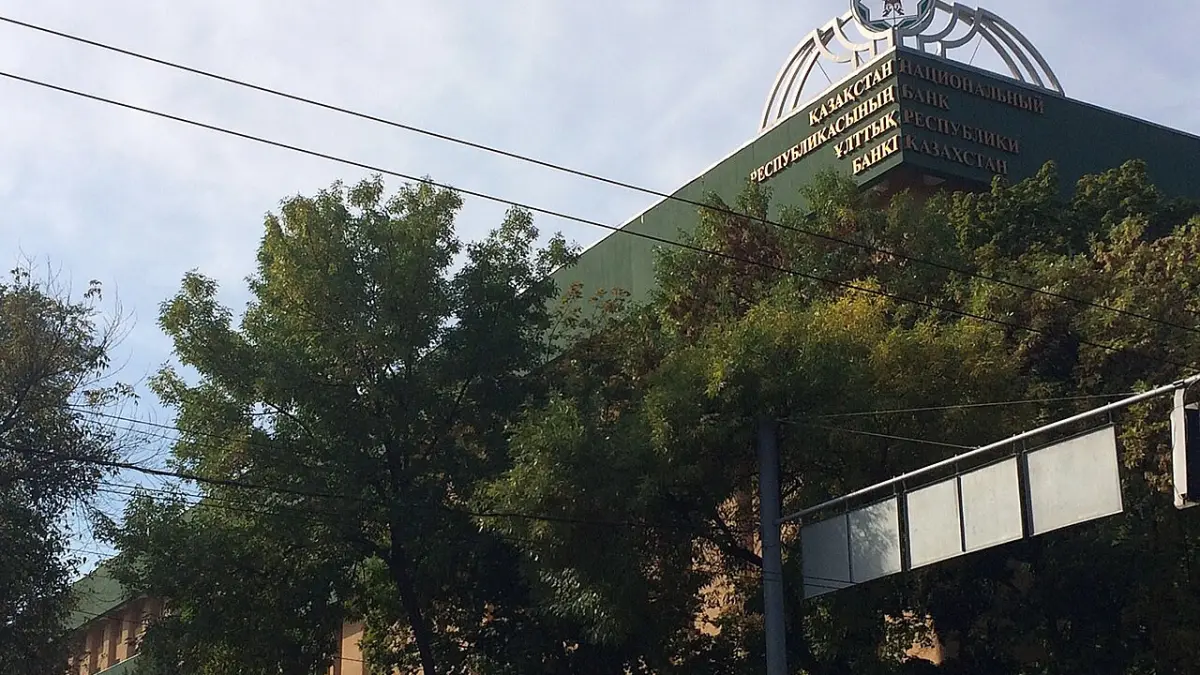
Astana, 26 November. Experts surveyed by the National Bank have lowered their inflation forecast for 2026 from 9.5% to 9.1% and expect the base rate to stay at 15.75% until the end of the year, the National Bank reported.
They slightly lowered their forecast for economic growth this year, from 4.8% to 4.6%.
The National Bank conducts the macroeconomic survey among organisations that analyse and forecast Kazakhstan’s economy. Fifteen organisations took part in the latest one: professional market participants, research institutes, international organisations and rating agencies. The National Bank stresses each time that the survey does not contain its own forecasts: these are independent estimates of market participants.
On inflation the experts became more optimistic for two years ahead. For 2026 they expect 9.1% instead of the previous 9.5%, for 2027 8% instead of 8.3%. For 2028, by contrast, the forecast rose slightly, from 6.9% to 7%.
Expectations for the base rate diverged by year. By the end of 2026 the experts expect no change: the rate will stay at the current 15.75%. The median of their forecast for the end of 2027 barely changed, 13.4% instead of 13.3%, while for 2028 it fell noticeably, from 11.5% to 10.8%.
Survey participants revised the Brent oil price for 2026 upwards, to an annual average of 93.3 dollars a barrel. For 2027 and 2028 the previous 80 and 75 dollars a barrel were kept. Kazakhstan’s economic growth in 2027 is still expected at 4.7%, and the 2028 forecast was raised from 4.4% to 4.5%.
Oil got more expensive in the forecast, while this year’s economic growth, on the contrary, slimmed down by two tenths of a percentage point. The experts also presented forecasts for exports, imports and the tenge exchange rate, the report says; the National Bank put those figures in the full version of the survey on its website.
What it means: The market expects inflation this year to be lower than it thought a month or two ago, but does not expect a rate cut before the end of the year. Money should become cheaper later: by the end of 2028 the rate is seen almost five percentage points below the current level.
Who benefits: For borrowers, the experts’ expectations promise cheaper loans, but not before 2027. Depositors, by contrast, benefit from the high rate staying until the end of 2026.
Background: The base rate is the National Bank’s main instrument: lending and deposit rates depend on it. A high rate is kept to contain inflation and lowered when prices rise more slowly.
We have also reported that according to a National Bank survey, business demand for loans rose while demand for mortgages fell.



