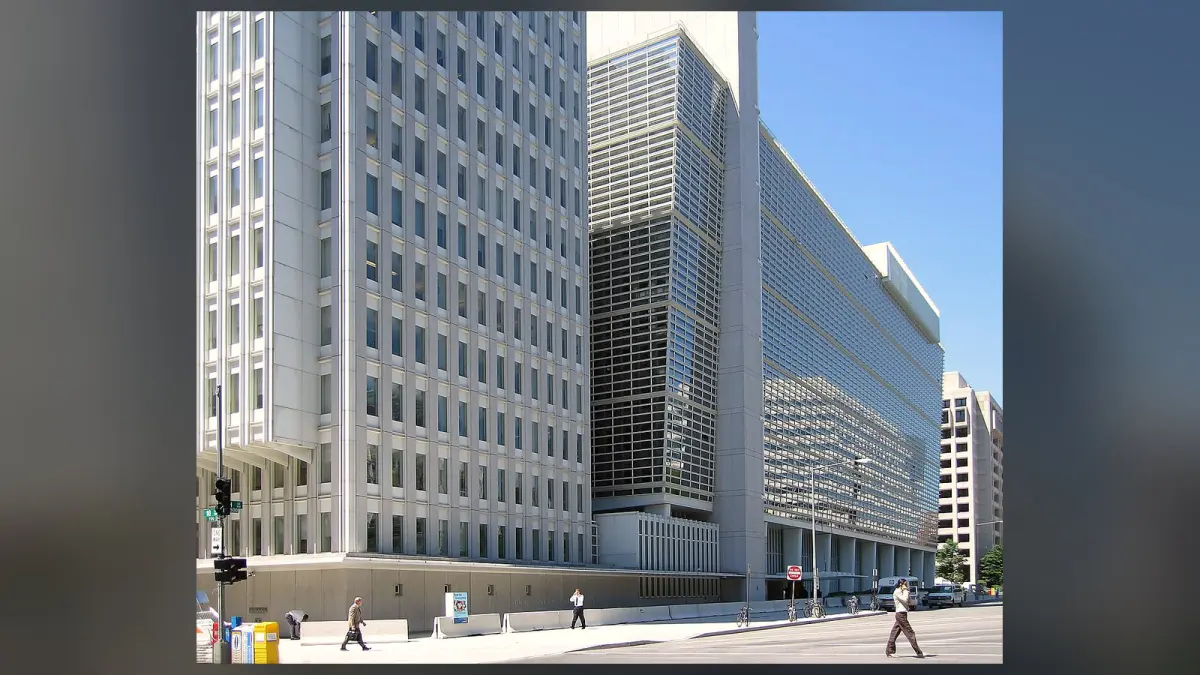
Tashkent, 26 November. On 25 November the World Bank’s Board of Executive Directors approved an 800 million dollar financing package for Uzbekistan for reforms in seven areas, the bank’s press service said.
The reforms are expected to help create the equivalent of 275,000 additional and better jobs in 2029–2031.
The money is tied to specific reforms. In the social sphere, the expansion of social insurance, including maternity and temporary disability benefits, safer working conditions and better social work. In the private sector, further reform of state-owned enterprises and stronger fair competition.
In the digital economy the bank supports rules for secure cross-border data transfer, so that companies find it easier to use cloud services and international platforms while protecting personal data. By 2028 the programme is to add 500,000 broadband users, 250,000 of them women.
In energy, stronger regulation of electricity and gas markets and the attraction of private investment: by 2028, 15% of electricity consumers are to be served by networks managed by private operators. For farmers, the expansion of agricultural insurance to 35% of farms against droughts, floods and other risks. For trade, digitalisation of procedures, development of a single window and simpler border formalities, which should also help Uzbekistan join the World Trade Organization (WTO).
The seventh area is green growth: energy efficiency standards for buildings and incentives for clean technologies. By 2028 the programme is to attract 10 million dollars of private investment in energy efficiency and bring the capacity of distributed renewable generation to 3,000 MW.
The bank gave Uzbekistan similar support a year ago: in October 2025 it approved financing for reforms to create jobs, develop the private sector and international trade.
What it means: The World Bank is paying Uzbekistan not for construction but for adopted laws and rules: the money goes to the budget against reform commitments. For Tashkent this is both a resource and external oversight of how the reforms are going.
Who benefits: Uzbekistan’s budget, which receives large-scale financing; private investors in energy and the digital sector, who are promised new rules; and farmers, whom insurance is meant to protect. Neighbours, including Kazakhstan, benefit from simpler border and trade procedures.
Background: The Board of Executive Directors is the World Bank body that approves loans and programmes. Uzbekistan is negotiating WTO accession; Kazakhstan has been a member of the organisation since 2015.
We have also reported that S&P raised Uzbekistan’s rating to BB+ and that the EDB intends to invest at least 500 million dollars in Uzbekistan in 2027.



