Astana, 30 October. The government, by a resolution of 23 October, has approved a list of budget expenditures to be made in digital tenge — from purchases of food, medicines and fuel to construction, major road repairs and the creation of digital systems, BES.media reports.
The list includes purchases of food, medicines and medical devices; buying, tailoring and repairing uniforms and special clothing; fuel and lubricants; land, buildings, structures and vehicles; machinery, equipment, tools and household inventory, intangible and biological assets; major repairs of buildings, roads and other fixed assets; construction and reconstruction of facilities, including roads; the creation, introduction and development of digital systems; capital development spending; and spending by state enterprises on construction, reconstruction and major repairs. Funds of the special state fund and the infrastructure development fund will also be spent in digital tenge.
The point is that the digital tenge is programmable: when money is issued, it can be specified in advance what it may be spent on. If funds are allocated to build a road, they can pay only for the works and materials the project provides for — they cannot be diverted to other purposes or sent abroad. Once the conditions are met, digital tenge can be exchanged for ordinary non-cash money. The published information does not say from what date the resolution applies to specific programmes or how quickly all contractors will join the settlements.
What it means: A large part of state procurement and construction spending is moving to money that “remembers” its purpose and cannot leak away without a trace.
Who benefits: The state and auditors gain transparency of budget flows down to the last subcontractor. Contractors and suppliers will have to open digital wallets at banks and settle under new rules. Taxpayers gain fewer opportunities for theft if the system works as intended.
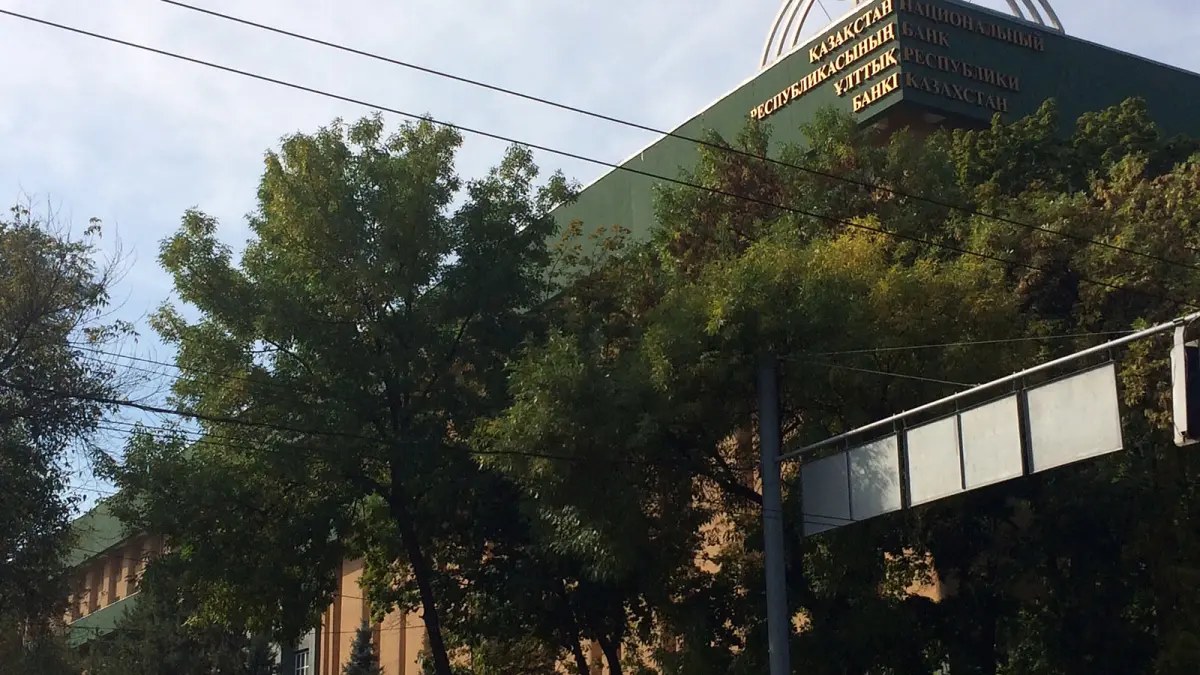
Background: The digital tenge is the third form of the national currency alongside cash and non-cash money. It is issued by the National Bank and held and used through commercial banks. The digital tenge pilot began in 2023, with National Fund money for infrastructure projects among the first to pass through it. The word “programmability” comes from the world of smart contracts: the spending condition is written into the money’s code rather than in a separate contract.



