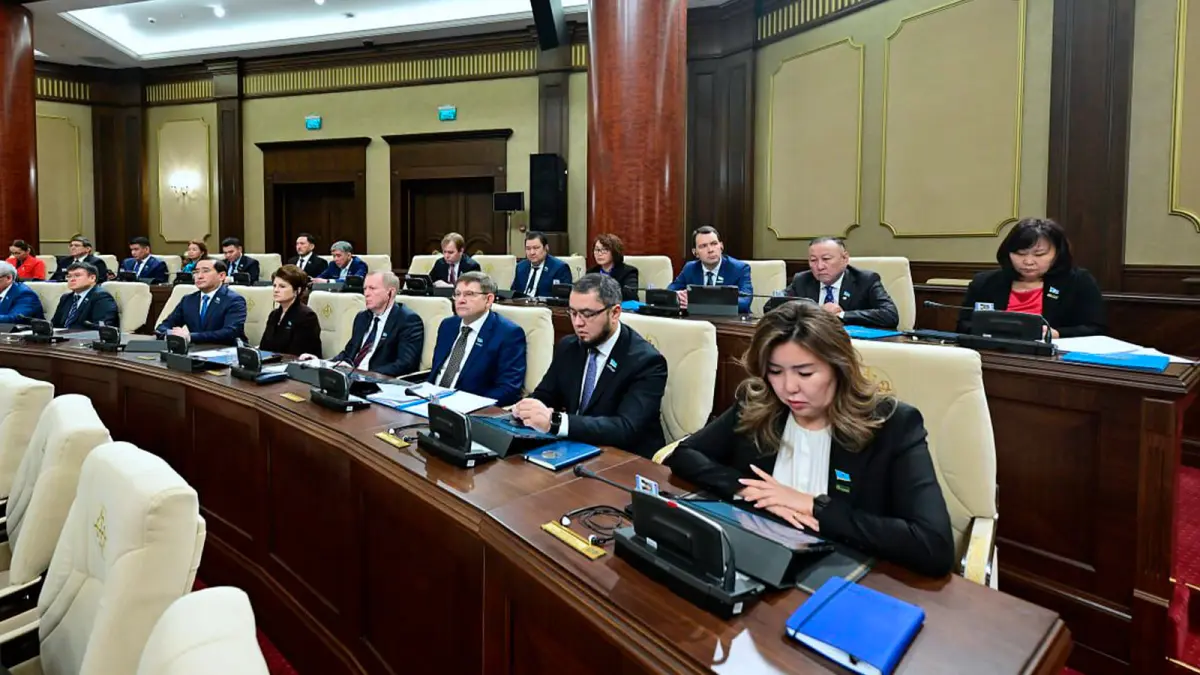
Astana, 5 November, . The Kurultai on 4 November approved in first reading a veterinary bill submitted by the Government, the Government said.
The amendments aim to improve the veterinary system, protect specialists socially, ensure epizootic well-being and food safety. The reform runs along five lines. The first is the status of specialists: an annual paid leave with a health benefit of at least two official salaries, extra pay for academic degrees, special clothing and a veterinary chamber to protect professional rights. The second is the division of powers of local bodies, the specialised committee, the anti-epizootic detachment and veterinary organisations.
The third is control of medicines: a pharmaceutical inspectorate will be created to check quality, safety and compliance with uniform EAEU requirements. The fourth is a digital system for recording animals and veterinary measures with traceability of movements. The fifth is permanent state control at trading sites that sell livestock and animal products, and stricter identification.
Deputies separately spoke about staff, especially in villages. “The insufficient appeal of the veterinary profession, especially in rural areas, leads to a shortage of staff, a heavier load on working specialists and has a negative effect on the timeliness of veterinary measures,” said Serik Yegizbayev, chairman of the Committee on Agrarian Issues, Ecology and Natural Resources. At the same sitting the Kurultai adopted in two readings a law ratifying an agreement with the Asian Development Bank on financing priority areas of the economy.
What it means: The bill answers the shortage of vets in villages with money and benefits, and questions about the quality of medicines and meat with control and digital records. First reading is approval in general: work on the text and a second reading lie ahead.
Who benefits: Veterinary specialists: they are promised leave with a benefit, extra pay and a chamber. Consumers: stricter control of medicines and of products at markets. What it costs the budget the report does not say.
Background: Epizootic well-being is the absence of mass contagious animal diseases; “epizootic” comes from the Greek epi (“upon”) and zoon (“animal”). Traceability is the ability to trace the path of an animal or product from farm to counter. First reading is the stage at which parliament decides whether to take a bill as a basis; then comes revision and a second reading. A veterinary chamber is a professional association protecting specialists’ interests.



