Astana, 14 November. The amendments on online platforms that the Kurultai will consider at its next sitting provide for a ban on registering users under 16 on social networks.
The ban will not apply to instant messaging services, says a statement on the website of the Kurultai, the country’s parliament.
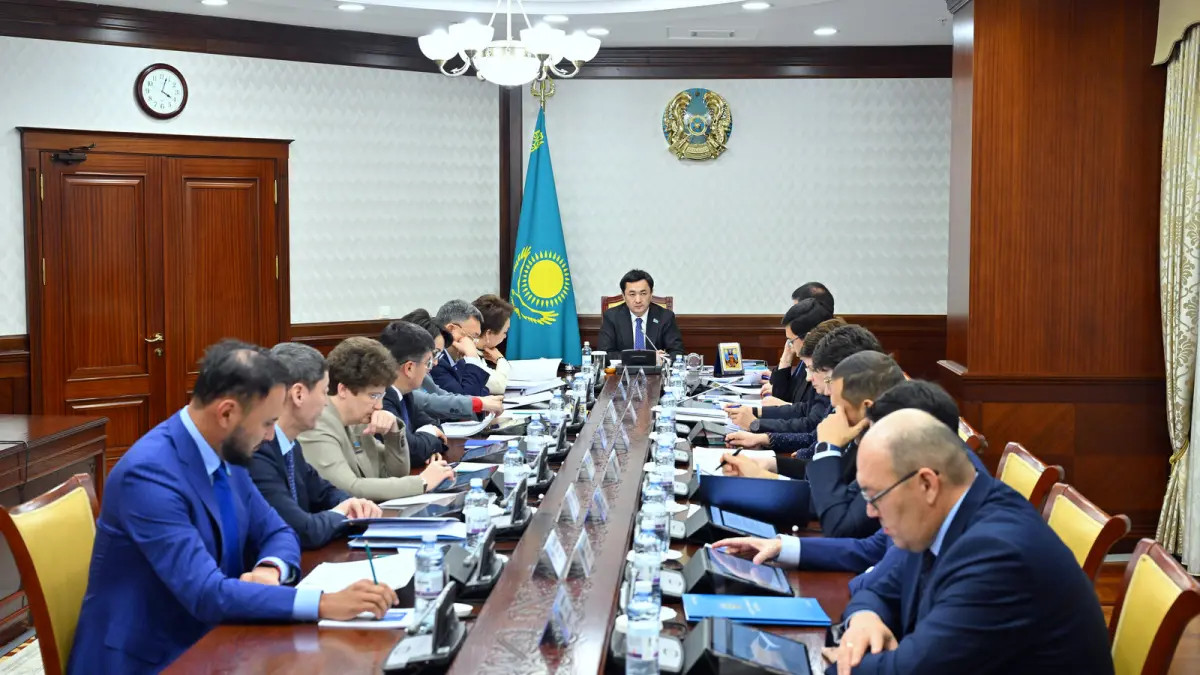
The draft agenda of the sitting was approved on 13 November by the Bureau of the Kurultai, chaired by Speaker Aibek Dadebay. The agenda includes a bill amending legislative acts on online platforms and mass media and a draft of accompanying amendments to the Code of Administrative Offences. The document, the statement says, was drafted on the President’s instruction. It is meant to enshrine in law the liability of online platforms for spreading destructive content and to create a safe digital environment for children.
Besides the age ban, the amendments introduce mandatory registration of the representative offices of online platforms and separate requirements for the authors of educational courses. The remaining provisions are not listed in the statement: it refers to them as “other measures”. The Kurultai’s short Telegram message about the same agenda did not contain the age ban; it is named only in the full text on the website.
The Kurultai did not say how users’ ages will be checked, what will happen to teenagers’ existing accounts or what penalty a breach will carry. The date of the sitting is not given in the statement either.
The ban was proposed by the government, and President Kassym-Jomart Tokayev backed it on 28 August in his speech at the opening of the first session of the Kurultai. He said that he supported the initiative and that the issue should be considered as a matter of priority. The President added that the mechanism of the law had to be worked out carefully before it was adopted.
The same age threshold has been in force in Australia since 10 December 2025. There Facebook, Instagram, Kick, Reddit, Snapchat, Threads, TikTok, X and YouTube face fines of up to 50 million Australian dollars. A fine is imposed if a platform fails to take reasonable steps to close the accounts of children under 16, the Associated Press reported. For the first six months the regulator asks the platforms every month how many children’s accounts they have closed.
At the same sitting the deputies will consider, in the second reading, the draft republican budget for 2027–2029. The agenda also includes two ratification bills: on the agreement with Singapore on mutual legal assistance in criminal matters and on the agreement of the member states of the Organization of Turkic States (OTS) on partnership in the digital economy. The deputies will also hear the Constitutional Court’s message on the state of constitutional legality.
What it means: Kazakhstan is preparing to set an age threshold of 16 for social networks while leaving messengers open to children. So far only the principle is known. How strict the ban turns out to be will depend on the method of age verification and the penalty for breaches, and the Kurultai has not yet named either.
Who benefits: According to the Kurultai, the bill was written to create a safe digital environment for children. It adds duties for online platforms: registration of their representative offices and liability for destructive content. The authors of educational courses will face new requirements too.
Background: The Bureau of the Kurultai approves the agenda of sittings and accepts bills for consideration, after which they are studied by the relevant committees. The Kurultai approved the draft budget for 2027–2029 in the first reading on 14 October; ahead of the second reading the deputies backed amendments raising the minimum wage and increasing the salaries of district doctors by up to 40%.
We have also reported on how the Kurultai will consider amendments on online platforms and the three-year budget.



