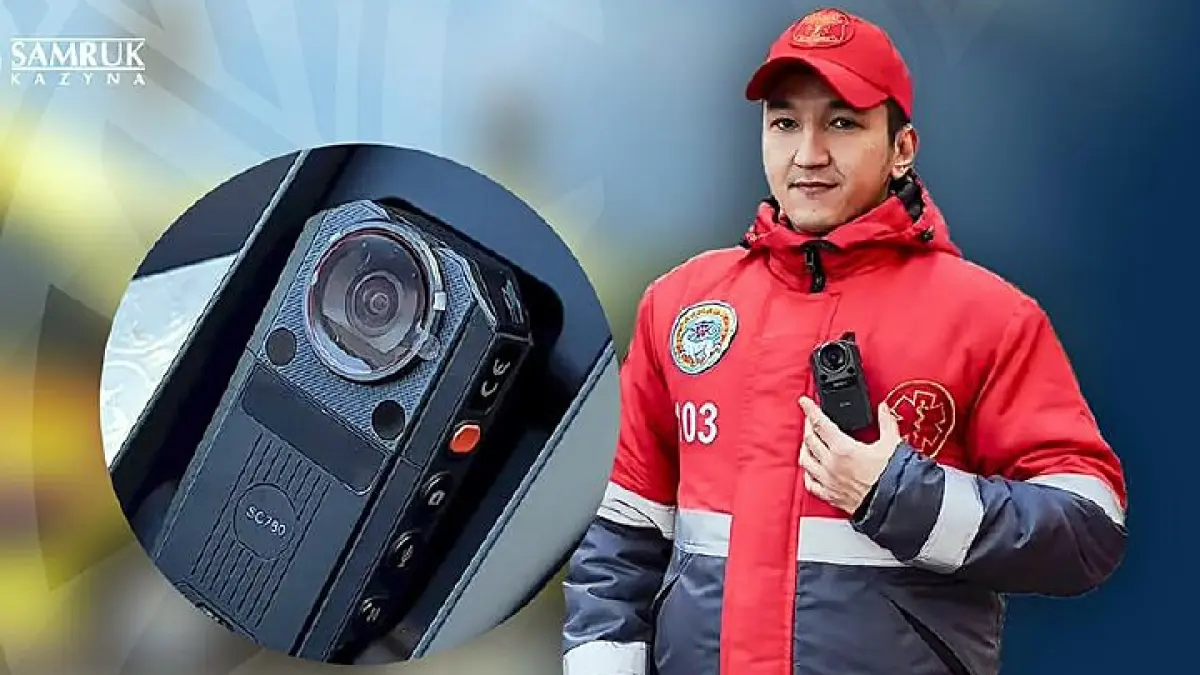
Astana, 26 November. Kazakhtelecom is introducing smart video badges, compact wearable cameras that record how ambulance crews and mobile medical teams provide care on calls, the Samruk-Kazyna fund, to which the company belongs, reported.
The system is already working in 10 regions of the country.
Video recording, according to the fund, is needed to examine disputes and complaints objectively and to protect the rights of both medics and patients. The project was first launched in Shymkent, and during the system’s operation the recordings helped resolve about five disputed cases.
Video badges are now used in the cities of Astana, Almaty and Shymkent, as well as in Zhambyl, West Kazakhstan, Kostanay, Kyzylorda, Mangistau, Pavlodar and Zhetisu regions. Recordings are transferred to local secure servers and stored in the established manner.
In total, the company estimates, about 3,900 video badges are needed in 20 regions. For 18 regions, contracts for the supply of 3,329 devices have been signed or are about to be signed, which is 86% of the need. By the end of the year Kazakhtelecom plans to supply and set up the equipment and launch the project in all regions where contracts have been signed.
Who pays for the devices — the company, the health departments or the ambulance stations — how much one video badge costs and who has access to the recordings, the fund did not specify in its report. Nor does it say which act sets the period and procedure for storing the recordings.
What it means: In disputes over how an ambulance call went, it is usually the word of the doctor against the word of the patient or their relatives. A camera on the crew’s uniform provides a third party, a recording that can be used to check who is right.
Who benefits: Ambulance medics, whom a recording can protect from unfounded complaints and aggression, and patients, who gain evidence if care was poor. Kazakhtelecom gets an order to supply and service almost 4,000 devices.
Background: Kazakhtelecom is Kazakhstan’s largest telecommunications company and is part of the portfolio of the Samruk-Kazyna national wealth fund. Emergency medical care in the regions is organised by local health departments.



