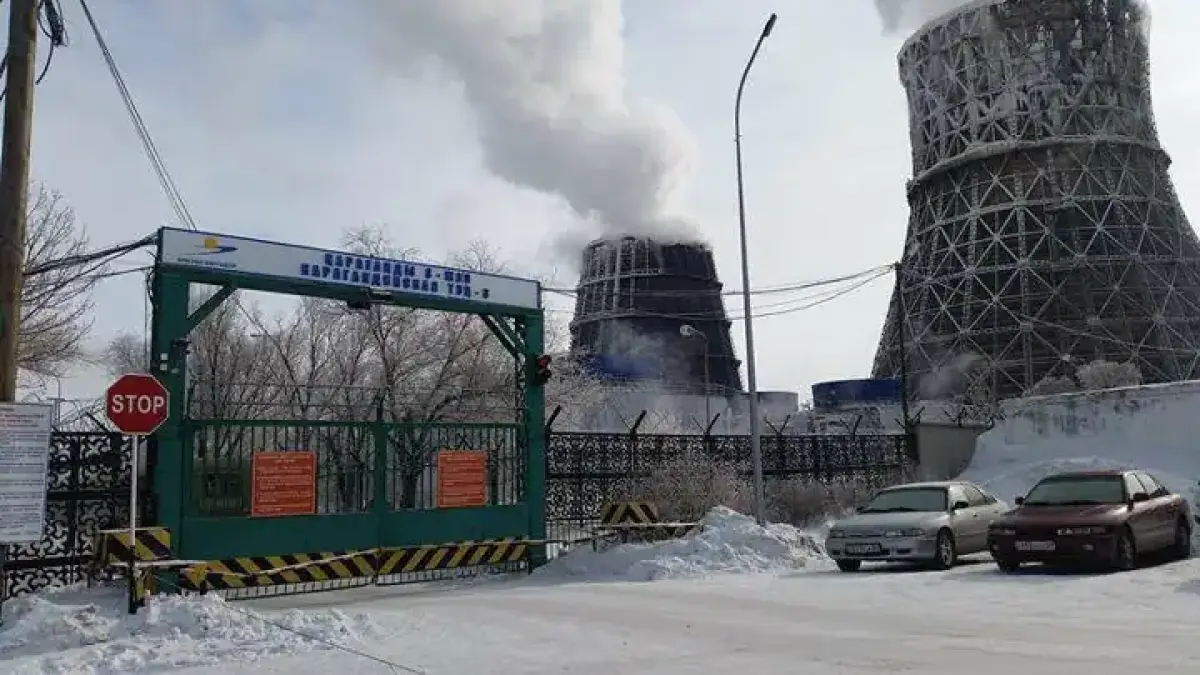
Specialists of the Ministry of Energy of Kazakhstan have carried out a technical audit of all 37 combined heat and power (CHP) plants in the country, VRKNews.kz reports.
Most of them (19) are in a state of emergency and have entered the “red zone”, another 11 are in the “yellow” zone and only seven are in the “green” one.
“The total available electric capacity of the 37 CHP plants operating in the country is 6,517 MW (33.8% of the total available capacity of power plants), and the available heat capacity is 20,135 Gcal/h,” the ministry's statement says.
According to the ministry, Kazakhstan has 37 CHP plants in all. Ten of them are state-owned, 22 are privately owned and five are quasi-state.
The average wear of CHP equipment is 66%, while the wear of the CHP plants in Uralsk, Stepnogorsk, Taraz, Kyzylorda and Kentau exceeds 80%.
The average age of the country's CHP plants is 61 years, and about 76% of them have been in service for more than 50 years.
But if anything is really thin, it is the heating networks. Their wear reaches 80%, much higher than at the stations. So they are in more acute need of investment.
The number of emergency shutdowns at power plants in 2021 rose by 5% compared with 2020.
Because of the reform to lower barriers to business development, in 2018 oversight of energy organisations by the state energy control body was weakened to the maximum.
Amendments to the legislation are currently being initiated to strengthen the functions of state energy control, including oversight of the execution of repair campaigns and investment programmes of power plants and networks. The amendments will also address increasing the responsibility of power plant managers for the quality of repair work and the intended use of funds.
In general, Kazakhstan's energy sector is short of funds for investment projects to modernise, reconstruct and replace physically and morally obsolete equipment, and for major overhauls of power plant equipment.


