Astana, 28 October. Since 20 October shops larger than 100 m² must give Kazakh-made goods at least 30% of their shelf display in every product category, and if they ignore an inspector’s order they face a fine of 100 to 500 MCI, or 432,500 to 2.16 million tenge, the Ministry of Trade and Integration said in reply to a query from BES.media.
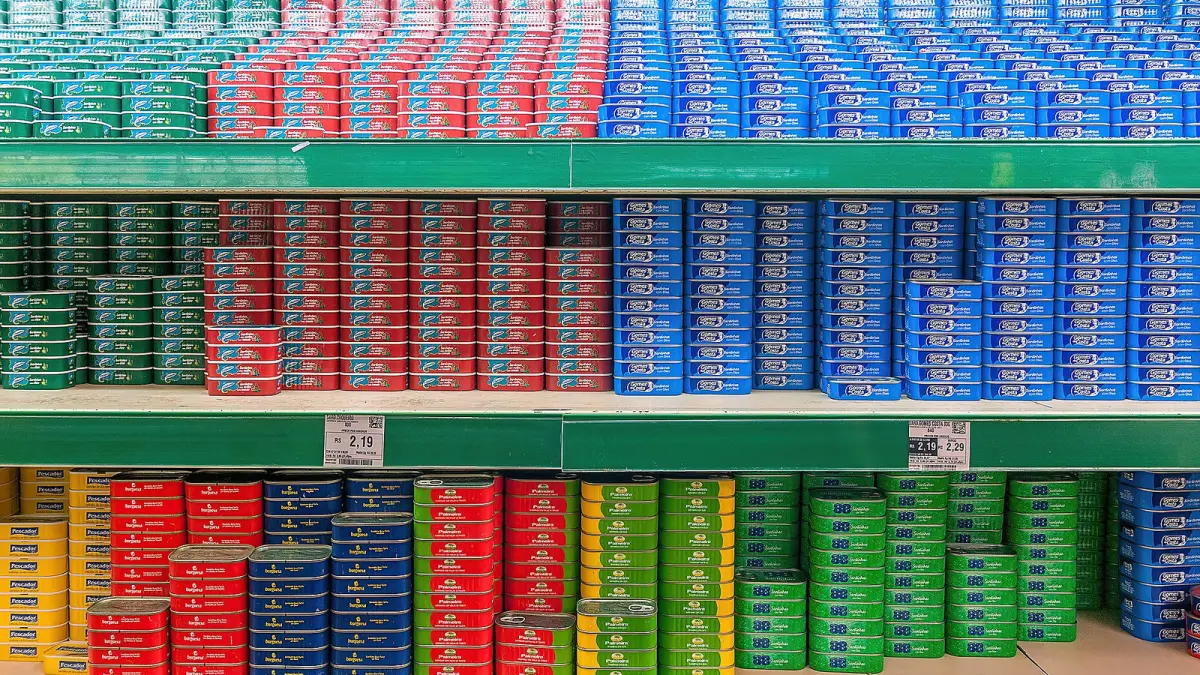
The new requirements were added to the Internal Trade Rules by a ministry order. They apply to four categories of brick-and-mortar shops: from 100 to 500 m², from 500 to 2,000 m², from 2,000 to 10,000 m², and over 10,000 m². Shops smaller than 100 m², including many corner shops, are exempt. The share is counted neither by eye nor by floor space but in facings, the retail term for the units of display visible to shoppers, i.e. the front faces of packs on a shelf. If a shelf holds 100 facings, at least 30 must be Kazakh-made, and this applies not only to the shop as a whole but separately to every category and sub-category.
Kazakh goods must be marked with “Made in Kazakhstan” signs or labels and placed next to fast-selling products rather than in a far corner. Compliance will be monitored by regional trade and consumer protection departments. Enforcement has two steps: when a breach is found, the shop first gets an order to fix it, and only if it fails to comply does the case go to court, where a fine of 100 to 500 MCI is set depending on the size of the business. There are separate penalties for chains that keep Kazakh producers off their shelves: 100 MCI for a first offence and 200 MCI (865,000 tenge) for a repeat within a year.
The rules allow an exception when Kazakh goods are lacking. Shops stock products on the basis of written applications from producers and suppliers; if there are none, the shop must itself apply to the unified register of domestic producers. When nothing is on offer or the range is too narrow, the free shelves may be filled with other goods, including imports.
How much rearranging stock, logistics and new supplier contracts will cost shops, the ministry has not calculated, explaining that this is the shopkeepers’ own business. The ministry believes the rules contain no requirements that directly push up prices; nor did it give a forecast of growth in sales of Kazakh goods, saying the result will depend on production volumes, competitiveness and demand.
The display quota is part of a wider policy of promoting domestic goods. Aizhan Bizhanova, who served as acting Minister of Trade and Integration, has said that up to 20% more shelf space can be allocated through support programmes involving the Damu fund, and similar requirements are being introduced for online marketplaces. Sources give different dates for the rules taking effect: the ministry says 20 October, while some reports on the order gave 19 October.
What it means: The state is turning support for Kazakh producers from appeals into a count of facings: a third of the visible display in every category of medium-sized and large shops is now fixed by rules, and refusing to comply with an order can lead to court and a fine. Yet the rules leave shops a way out when domestic goods are simply not on the market.
Who benefits: Kazakh makers of food and everyday goods gain a guaranteed place on the shelves of medium-sized and large chains next to fast-selling products. For retail chains, the rules add costs for rearranging stock and record-keeping that the ministry has not estimated; shops under 100 m² are not affected.
Background: The MCI, or monthly calculation index, is a notional unit used in Kazakhstan to set fines and benefits; in 2026 it equals 4,325 tenge. In October corner shops asked the authorities for tax breaks and a moratorium on fines, but the government refused.
We have also reported that corner shops were refused tax breaks and a moratorium on fines.


