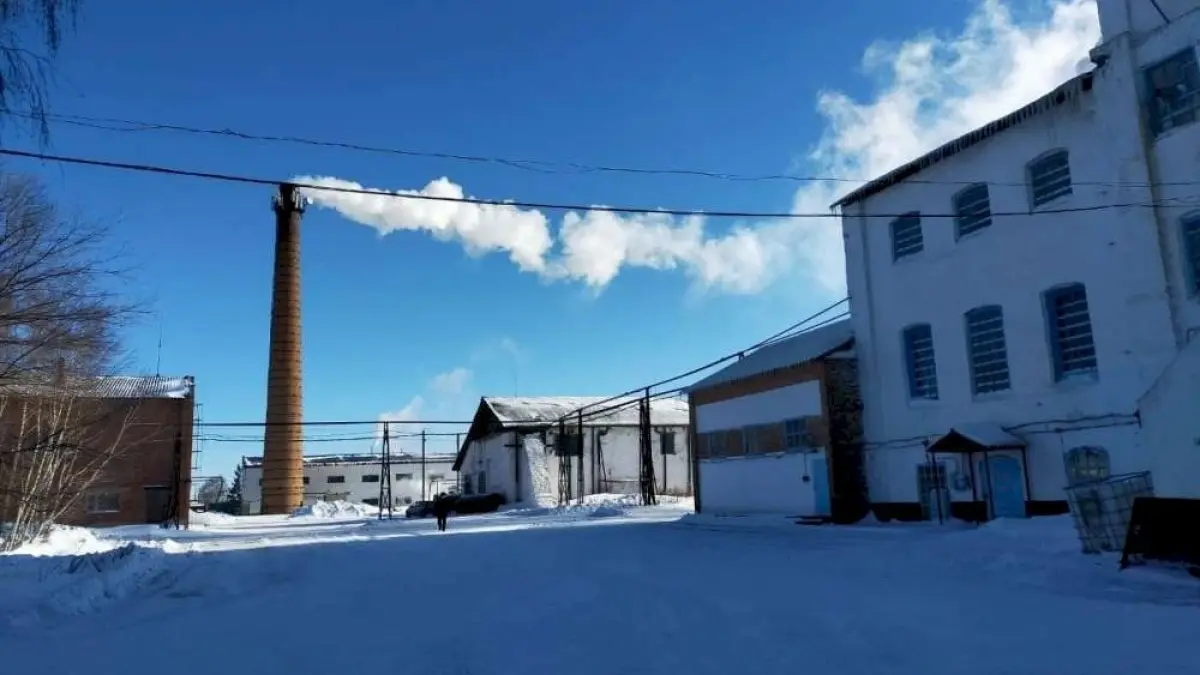
Residents of the village of Aidabul in Zerendi district, Akmola region, are in disarray: the distillery with a 112-year history will stop work as early as next week. Representatives of the management company assured them that the mothballing will last until September and that throughout those months employees will be paid 50% of their wages. A correspondent of BaigeNews.kz tried to understand the situation.
High-proof trust
The legendary distillery in northern Kazakhstan is in its 113th year; it was founded in 1906. Locals say that the third and fourth generations of families already work here: great-grandfathers, grandfathers, fathers, children. And the technologies have remained the same — classic, honest. The plant produces alcoholic drinks and “Alfa” class spirit. That means pure, made exclusively from grain raw material.
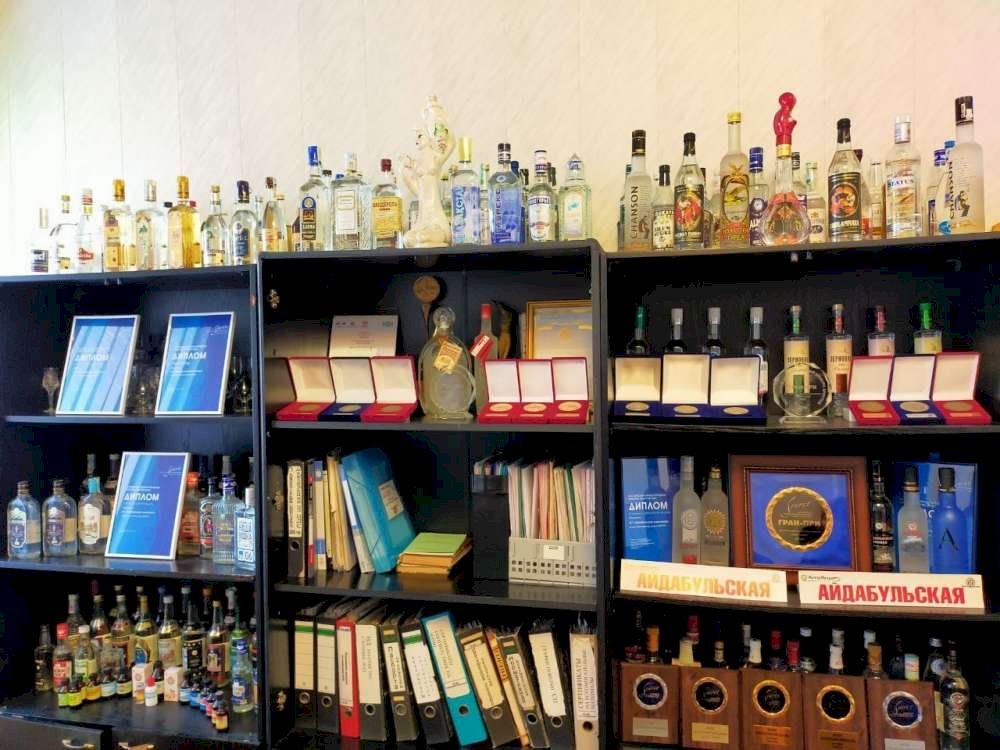
“Aidabul” has a great many awards. For 12 years now the plant has taken part in the independent international competition of the best spirits and vodkas held in Moscow. And every year the highest quality of its products has been confirmed by grand prix and gold medals.
The distillery's production capacity is 600 thousand decalitres of product a year.
The village in shock
The other day the management company announced that the distillery will be closed until September. The reason is the difficult financial situation. This means that 210 people will be left without work. The administration promised employees that throughout this time they would be paid the 50% of wages required by law.
“The wages of most of the workers are 50–60 thousand tenge. That is, it comes to 26–30 thousand. Each of us has loans and debts in the village shops. Many pay for the studies of children who are students,” says chief technologist Yulia Zinchenko.
Laboratory head Valery Shchukarev has a higher salary — 120 thousand. But 60 thousand is poor comfort for him, a father of two students.

“The uncertainty is frightening. Where to look for other work? That means moving: you can't commute to the district centre or the city. And who is waiting for us there?! I have worked here for 20 years. My great-grandfather, grandfather and father lived and worked here. My children are the fifth generation,” the man says, throwing up his hands.
Plant workers are worried: because of the cold some sections of utility lines and pipelines may freeze through and equipment may fail.
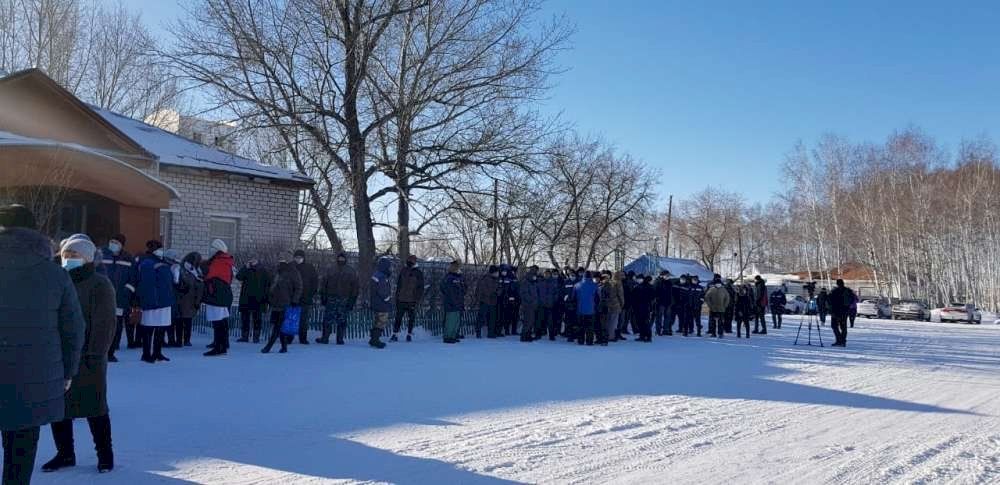
Those wanting to speak out line up in a queue.
“I toiled for 22 years at my native plant. All sorts of things happened. When buildings were being repaired they sent us on leave. But to close the plant.. It is the history of the country, the pride of the economy! I live alone and all my life relied only on the plant. I earn 50 thousand tenge. Twenty-five thousand will be left — what do I do about my loan? The bank will not look at my circumstances — it will take my house,” worries Kymbat Zhumabayeva.
Alexandra Yakovets, who is over seventy, has lived all her life in Aidabul.
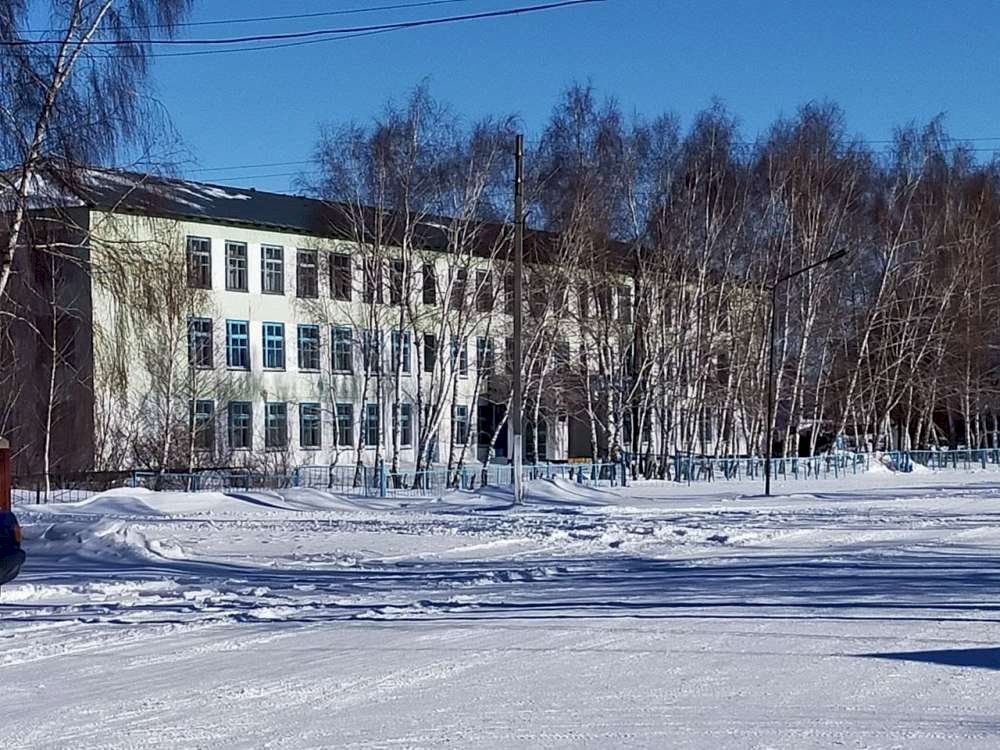
“What are we pensioners to do? If they close the plant, they will close the school and the medical outpatient clinic. After all, all the social facilities are fed from it. We are hypertensive, diabetic. Who will look after us? We will die at home,” the elderly woman burst into tears.
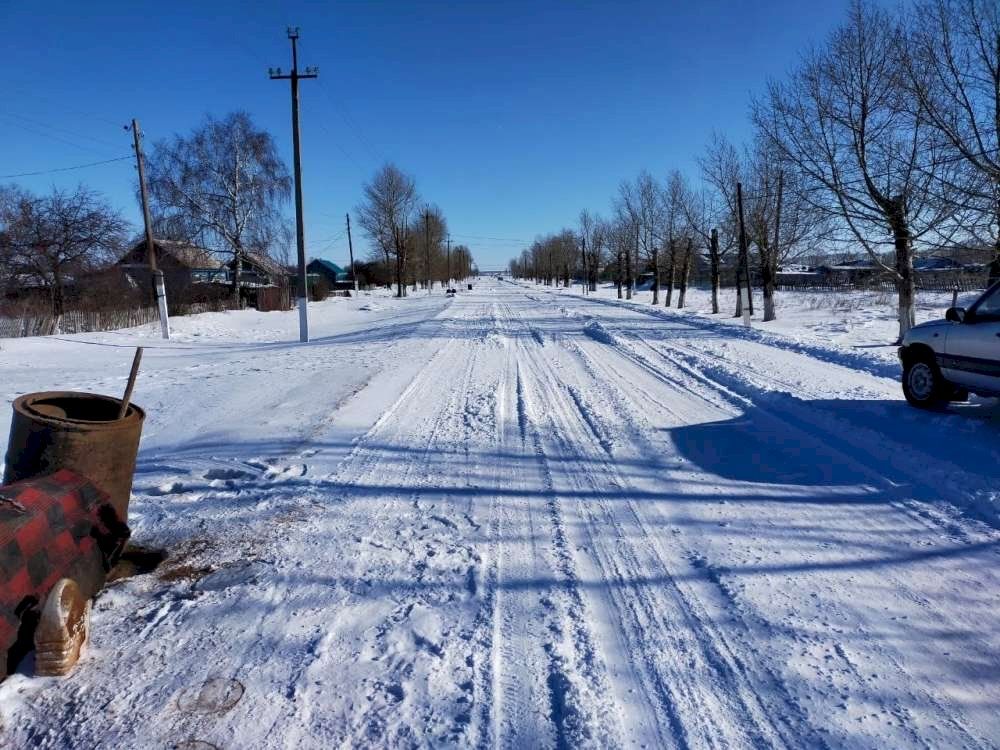
It is worth noting that more than a thousand people live in Aidabul. Among them, according to head of the medical outpatient clinic Tatyana Shleiger, there really are many chronically ill people.
Local authorities at a loss
The district akimat is also at a loss at this turn of events. Never before has the plant been mothballed, even in the era of the famine and during the Great Patriotic War. On the contrary, thanks to this plant and its barda many thousands of people stayed alive at that time, since there was something to eat.
“Naturally, we are also concerned about the situation. The whole local social sphere risks coming to a ‘standstill’. The school, kindergarten and mini-centre, the medical outpatient clinic, the pharmacy, the club — all these vital facilities are ‘fed’ from the plant. We are talking about heating and water supply. About 500 people in precisely that part of the village where the plant is located use this water. There is also a free public bath where residents not only of Aidabul but of neighbouring Krasilovka wash,” comments Raikhan Gabdullina, deputy akim of Zerendi district.
The district akimat has sent letters addressed to the president of JSC Aidabul Distillery and to the company's shareholders asking for information about the plant's future.
“It is known that the management company has four plants in Kazakhstan. Today I spoke with the managing manager. According to him, not only the plant in Aidabul is closing. For example, also the one in Kandyagash in Aktobe region. Naturally, this is not equivalent. It is necessary to take into account climatic conditions and how the mothballing will affect the village's social sphere,” the agency's interlocutor concluded.
The distillery is still feeding livestock...
The distillery provides feed for local farmsteads. In hope of its straw and mainly its barda (waste of ethyl alcohol production), villagers began taking livestock on credit under a state programme. Farmer Aidarkhan Abitayev also found himself in an alarming situation. Last October he bought 35 head of cattle for 52 million tenge under the “Sybaga” programme.
“I counted on the barda and straw being free. I will have to buy — too expensive. I will go bankrupt: I have credit obligations alone of one million three hundred thousand tenge a month. People who trusted me will be left without work,” the entrepreneur sighs.
This very factory barda — a guarantee of well-being for many families — is important not only in Aidabul but in the surrounding villages.
“We survive thanks to livestock. In spring we sell it, and with the money we buy firewood and coal, clothe and shoe ourselves, educate our children. The wages go on flour, sugar, pasta. One cannot live on a single wage, let alone on half of it. Now our livestock will not grow; who will we sell it to? Dealers (who take in livestock — author's note) will learn of the situation at the plant and lower meat prices,” worries worker Svetlana Pugacheva.
In all, according to Lyubov Bugayeva, chairperson of the agricultural cooperative “Nadezhda-2017”, the distillery provides free feed for more than 4 thousand head of cattle from several villages. In Aidabul alone there are 570 of them.
“In winter we collect three to four tonnes of milk. There is nothing like that anywhere else. In other villages 100–150. How much meat and milk we will lose!” laments Bugayeva.
Why is the enterprise being closed?
There is no sale of the product. This is the main reason, according to distillery director Pyotr Olfert, who in turn referred to the management company. And it has nothing to do with Kazakhstanis drinking less. Since the start of the pandemic and quarantine they have in fact drunk more. It is something else.
“Firstly, whereas initially there were four working distilleries in Kazakhstan, now there are eight,” says Olfert. “Secondly, our products are very expensive. We have been running on fuel oil since 1997. When we had just switched to it from coal, it cost only three to four thousand per tonne. Now we buy fuel oil at the price of 92-octane petrol. Next on the list of main costs is grain raw material. That also rose in two years from 55 to 100 thousand tenge. All this is reflected in the price. Expensive — accordingly no sales — you reduce output, the product's price rises. The final product's cost is also affected by capacity utilisation. Now we are working at 30% — again the spirit becomes correspondingly more expensive.”
They began to take spirit for their vodka from Russia
The company tried to break out of the vicious circle in 2015. Then a vodka plant, “GRAND ROYAL BOTTLERS”, was launched specially for the Aidabul plant.
It was built in Kokshetau by one of the company's shareholders.
“While it worked, everything was stable: we worked at 60–70%. But in 2019 the plant was stopped; a Ukrainian group of companies bought it. At first it seemed they decided to cooperate. In October 2020 we concluded a contract for supplying products to ‘GRAND ROYAL BOTTLERS’. At the beginning of December they began starting up and asked for a sample of spirit. They said it was excellent — just what was needed. But then everything froze. It turned out they take spirit in Omsk: it is much cheaper there. So we were left without sales,” the plant's director explained.
“Pay attention to our condition”
Taking the opportunity, the agency's interlocutor expressed the hope that the region's leadership and the country's government would pay attention to the vicious circle in which the legendary plant has found itself.
“In fact it turns out that an enterprise (‘GRAND ROYAL BOTTLERS’ — author's note) located within the region brings in products from Russia. When a distillery stands next door. And that is taxes for the budget. On the other hand, we ask for help with fuel oil pricing. Incidentally, the switch to fuel oil seriously reduced harmful emissions into the environment,” the distillery's director noted.
The plant's owners throw up their hands
In conclusion he assured: the management company has instructed that the boiler house be kept in working order. It will work until the end of the heating season and heat all the social facilities. Water supply will also be maintained.
Is there a chance that the plant will be closed altogether?
“Everything will depend on the management company. They assured me that the plant will start up. Perhaps even earlier than September,” Pyotr Olfert concluded.
Whether the plant will continue to produce spirit in the autumn, time will tell…
Assel Turar, baigenews.kz


