Astana, 25 November. The Supreme Audit Chamber has completed a state audit of measures to regulate the labour market, labour migration and employment and found financial violations worth 471 million tenge and 519 million tenge of inefficiently planned funds, the chamber said.
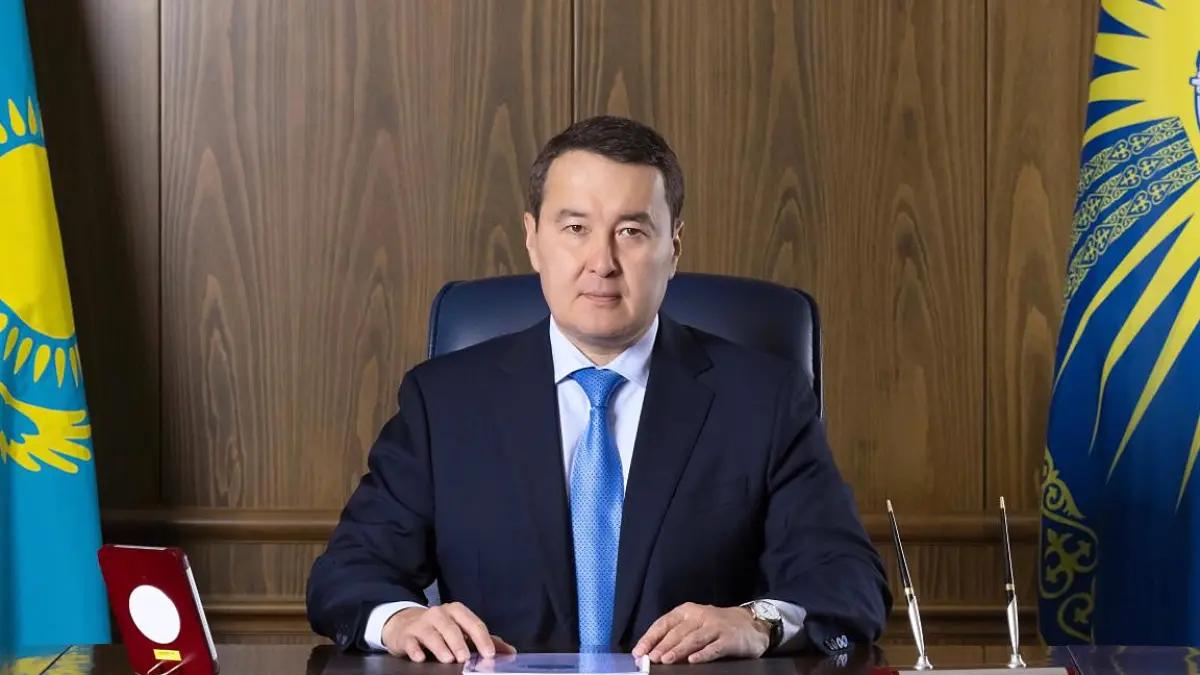
The results were reviewed at a meeting chaired by Alikhan Smailov.
The auditors examined the period from 2023 to the first half of 2026: the work of the Ministry of Labour and Social Protection, the Migration Service Committee of the Interior Ministry, the Workforce Development Centre and local authorities. Besides the financial violations, they counted 476 procedural violations and 91 systemic shortcomings.
The overall picture of the labour market, in the chamber’s assessment, is stable: in 2023–2025 the number of employed people grew by about 239,000, and unemployment fell from 4.7% to 4.6%. But the auditors drew attention to the quality of employment, the gap between labour demand and supply and flaws in state regulation. One priority goal is to raise the number of quality jobs to 3.8 million by 2029, but the mechanisms for this, the chamber concluded, do not ensure coordinated work by central and local bodies. The Ministry of Labour did not properly monitor how co-implementers carried out measures, so some measures are recorded as completed although their results are not confirmed.
The main complaint concerns where the money goes. In 2025 more than 163 billion tenge was allocated to employment support measures: 89% went on subsidised jobs and only 2% on vocational training. For every tenge put into training, there were more than forty tenge of job subsidies. Forecasts of demand for workers, the auditors concluded, are insufficiently grounded: there is no up-to-date methodology, no common approach and no baseline data, so such forecasts are hard to use when planning training.
The chamber also found difficulties in finding jobs for people with disabilities, orphans and people registered with the probation service. In labour migration the auditors pointed to weak record-keeping: nobody tracks whether resettled citizens and kandas (ethnic Kazakh returnees) have found work, stayed in the receiving regions or work in their profession. As a result, the chamber concluded, it is hard to assess the long-term effect of resettlement programmes and the return on budget money.
Separately, the Supreme Audit Chamber noted that information systems and interagency data exchange have flaws, and that some employment figures are open to doubt because there are no common rules for collecting and checking data. The National Qualifications System is failing to update requirements for specialists in time, and the growth of platform employment, work through online services, is not matched by full record-keeping and regulation.
What it means: Unemployment barely changed over three years, while in 2025 alone more than 163 billion tenge went on employment measures. The chamber showed that this money mostly pays for subsidised jobs, that 2% goes on training and that some results entered in reports are not confirmed at all.
Who benefits: The audit’s findings are addressed primarily to the Ministry of Labour and the akimats, which manage the money for employment. People looking for work or wanting to retrain are affected by the proportion the auditors pointed to: 2% of the funds currently go on vocational training.
Background: The Supreme Audit Chamber is Kazakhstan’s highest body of external state audit. On the morning of 25 November Tokayev approved the composition of a commission to monitor spending on the Halyk Qurylys (People’s Construction) programme; the Supreme Audit Chamber was made its working body.
We have also reported that Tokayev approved the composition of the state commission to monitor People’s Construction and ordered the launch of a people’s digital economy and a digital employment regime.



